Support Foraging USA
## Support Foraging USA
– Buying my book “Idiot’s Guide Foraging” via this link earns me 6% sales commission.
– Purchase of the Read More »
## Support Foraging USA
– Buying my book “Idiot’s Guide Foraging” via this link earns me 6% sales commission.
– Purchase of the Read More »
Poison Ivy (Toxicodendron radicans)
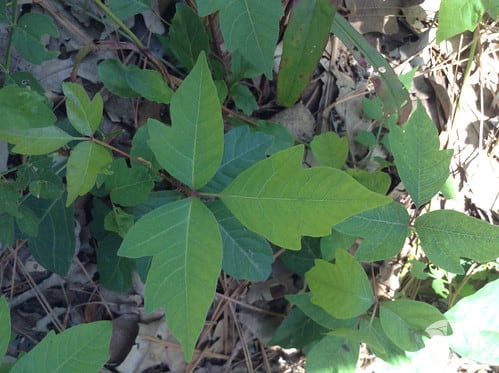
If you are a forager one of the first plants you need to be able to recognize is Poison …
Read More »
Here be worms.
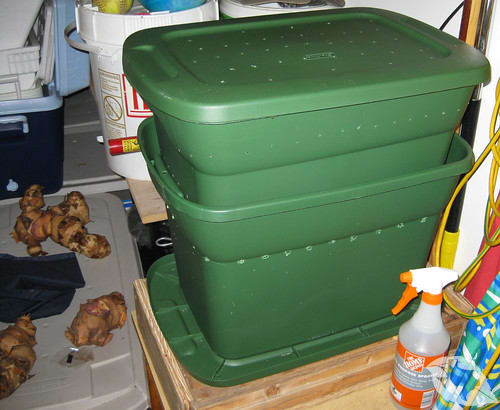
Give me a [Dremel tool](http://www.dremel.com/en-us/Pages/default.aspx) and I’ll change the world…or at least …
Read More »
A bold person can get an almost infinite supply of free 5-gallon buckets. Restaurants, bakeries, and fast food joints are particularly good places to ask for these. At worst they’ll say no, at best you’ll be needing a truck to get them all …
Read More »
Many wild (and landscaping!) plants can be used to make flavorful and medicinal [teas](/?s=tea). However, getting the best results requires knowing a few tricks based on plant physiology. To understand the tea one must understand the plant.
Let’s …
Read More »
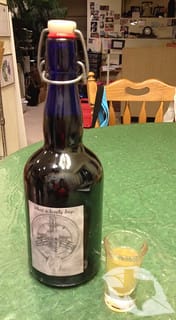
A daily shot of a mixture of Reishi mushroom, Elderberry flower, Burdock root tinctures and honey keeps me …
Read More »
Dandelions, chicory, thistles and wild lettuces are some of the most nutritional edible wild plants you can harvest but in their rawest forms they are very bitter and generally uneatable by any but the most die-hard foragers. Luckily, it is …
Read More »
I. Introduction
II. Tea: Black, Oolong, and Green
III. Herbal Flavors
IV. Health Benefits
V. Techniques of Preparation
VI. Harvesting, Drying, and Storage
VII. Growing Herbs in Houston
## I. Introduction
So, what’s all this about teas and …
Read More »
**Poultice** – The simplest method of using many medicinal plants is to mash/pulp the plant by chewing then place it on the skin. Note, some plants can only be used externally and so can’t be chewed. Those must be pounded or chopped into pulp. …
Read More »
Fermentation is one of the oldest forms of food preservation. While the word fermentation usually brings to mind the conversion of grains or fruit into beer and wine, it also covers microbial actions such as the conversion of starches and sugars …
Read More »