Scientific name: Callirhoe involucrata
Abundance: uncommon
What: Leaves, tubers
How: leaves cooked, tubers raw or cooked
Where: Sunny areas, ditches, abandoned yards, dry sandy fields
When: All year though tubers are hard to find in the winter without the flowers marking the spot.
Nutritional Value: carbohydrates in tubers
Identifying Photos
Wine Cup flower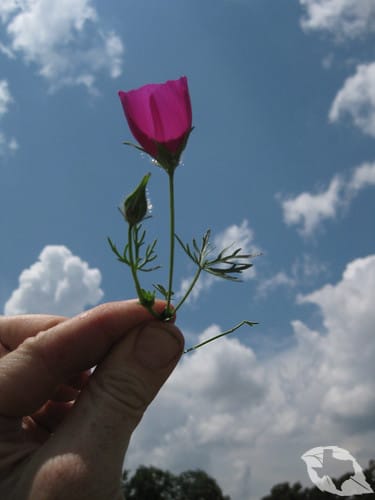
Close-up of flower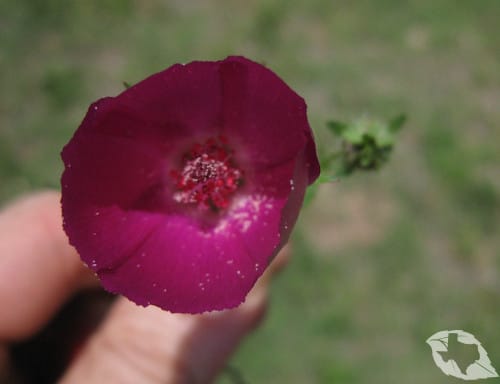
Wine cup “fruit” (do not eat).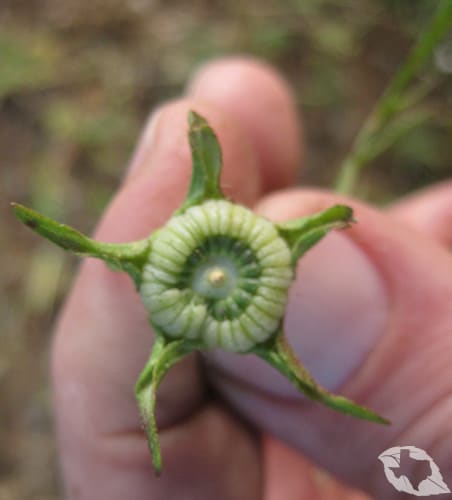
Whole plant in Spring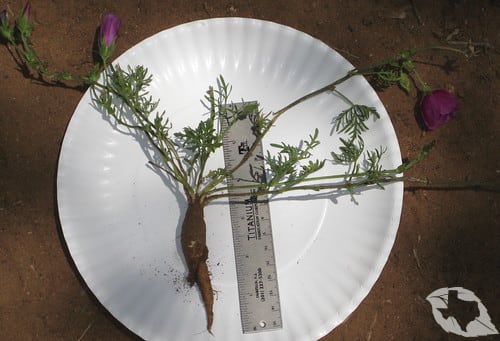
Plant in Fall/Winter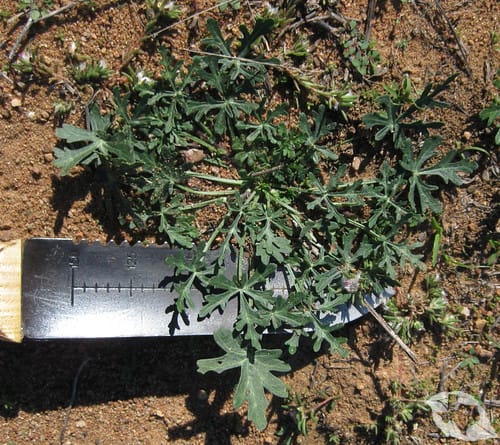
Whole plant in Fall/Winter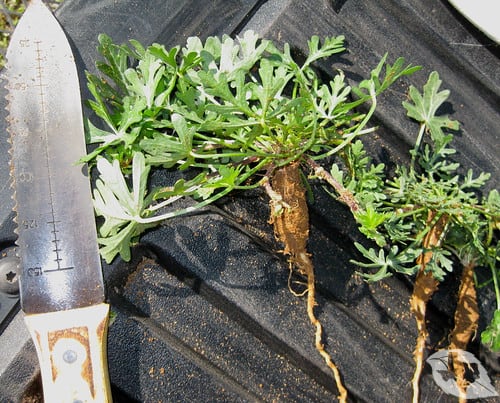
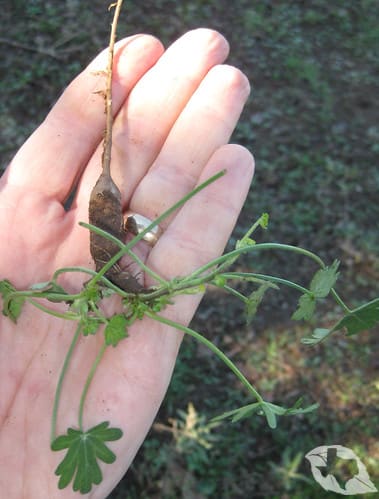
Distribution
North American distribution, attributed to U. S. Department of Agriculture.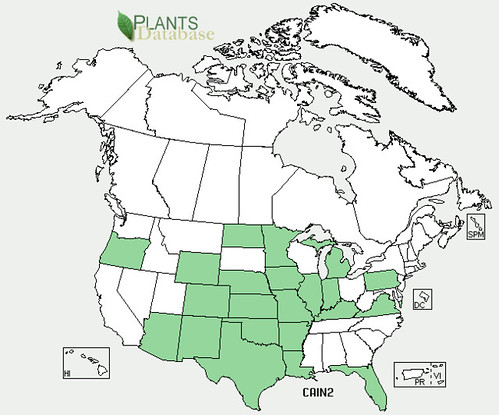
Texas distribution, attributed to U. S. Department of Agriculture. The marked counties are guidelines only. Plants may appear in other counties, especially if used in landscaping.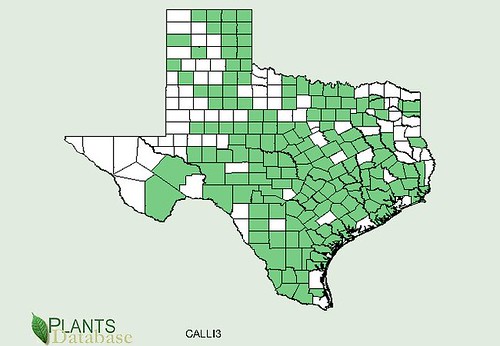
Wine cup tubers can be found in dry, sandy fields, especially in the Texas Hill Country. The leaves are best cooked where their okra-like tendencies can be used to thicken stews. The tubers taste like sweet potatoes and can be eaten raw or cooked. The tubers are biggest in the winter, but are very hard to find then without the wine cup flower showing their location.
The long, almost vine-like stems of wine cups grow in a rosette centered on the tuber. These tubers are covered in fine, delicate roots that often get damaged while digging up the tuber, rendering them unable to survive transplanting. If you dig it you have to eat it, otherwise you're wasting it.