Scientific name: Monarda fistulosa
Abundance: uncommon
What: flower
How: tea; flavoring
Where: shady, moist areas
When: late spring, summer, early fall
Nutritional Value: unknown
Dangers: bees love these flowers
Medicinal Summary
Flowers/Leaves/Stem – soothes irritated skin; antibacterial; relieves indigestion; sweat inducer; stimulant; diuretic; helps pass kidney stones; pain reliever; expectorant; headache reducer; soothes sore throat (poultice, tisane)
Identifying Photos
Wild Bergamot flowers.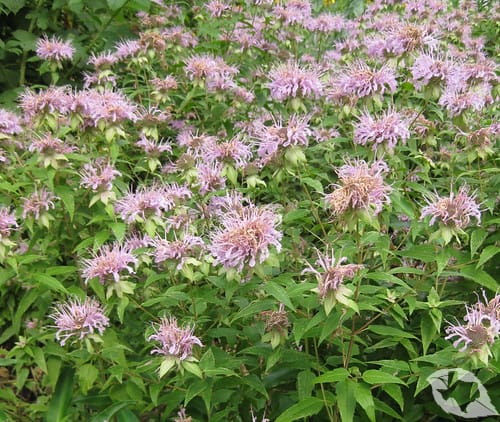
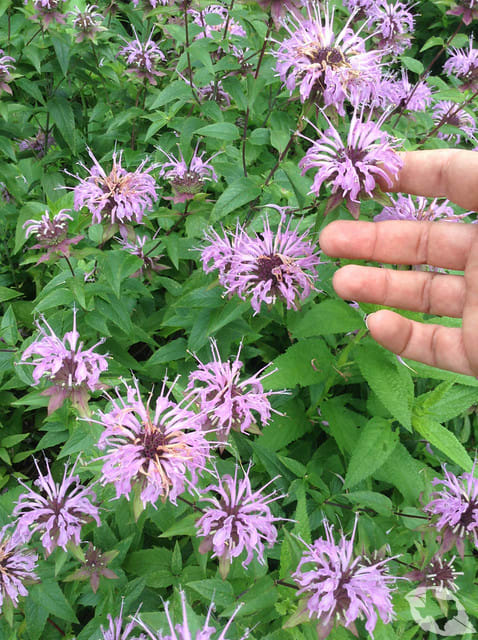
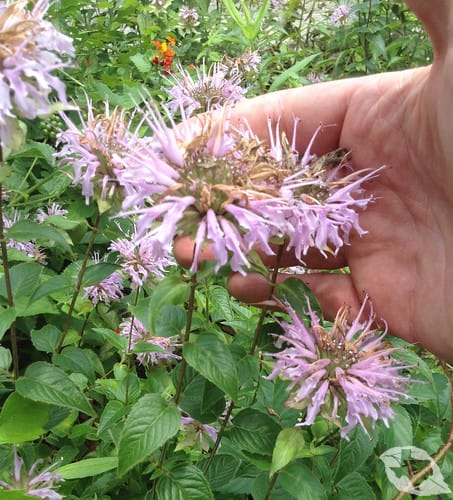
Distribution
North American distribution, attributed to U. S. Department of Agriculture.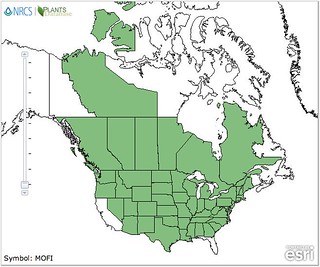
Stands of Wild Bergamont flowers dot the Texas countryside during summer. They prefer shade and moist soil so look for them under trees along drainage ditches and near ponds. What looks like a single big flower is actually a cluster of many long, tubular flowers…usually swarming with bees! Being a mint, they have the mint family's square, hollow stem and opposite, alternating leaves.
The flower makes a great tea with a sweet, herbal flavor similar to its smell. The flowers can be dried for later use but I prefer them fresh off the plant. A tincture (alcohol extract) made from Wild Bergamot is supposedly an excellent oral treatment for yeast infections. It also is used medicinally in the same manner as other mints. When smoked it SUPPOSEDLY delivers the antibiotics directly to the lungs to fight lung infections but I can't confirm this.