Scientific name: Liquidambar styraciflua
Abundance: plentiful
What: seeds; sap; leaf buds
How: Break apart large seed pods to get to the sweetgum seeds then rub the seeds to free them from their outer shell before eating or grinding into flour; sap can be dried for chewing gum substitute; the young leaf buds raw
Where: woods, urban & suburban landscapes
When: leaf buds in spring; seed pods in fall; sap in spring
Nutritional Value: seeds contain calories and protein
Other uses: leaves can be mashed into a poultice for antibiotic and sting-bite relief
Dangers: stepping on seed pods while barefoot hurts
Medicinal Summary
Leaves/Bark/Seeds – antimicrobial; antiviral (tisane, tincture)
Sap – anti-cancer; antimicrobial; antiviral; cough suppressant; anti-inflammatory; anti-hyperactivity; anti-convulsant; liver strengthener; wound healer; immune system inflammation suppressant (tisane, tincture)
Identifying Photos
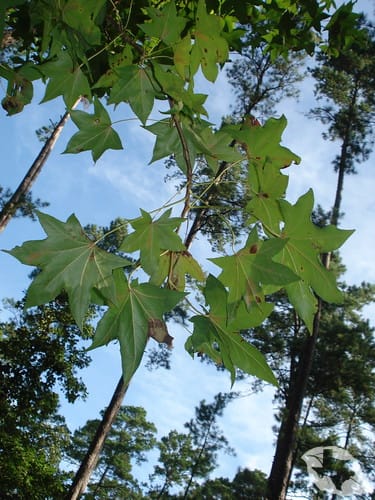
Sweetgum seed pod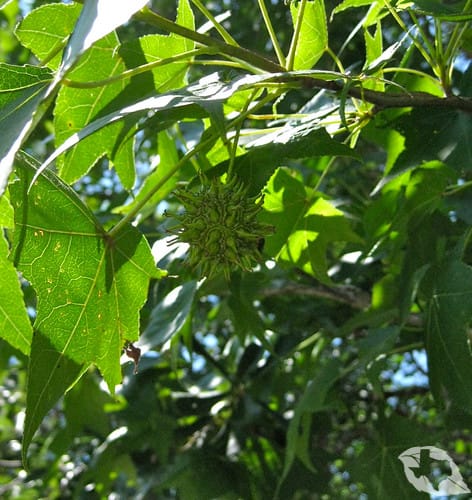
More sweetgum pods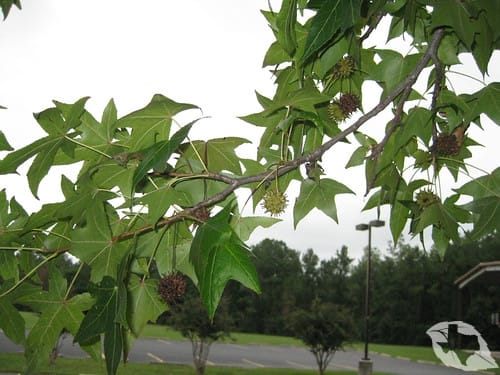
Sweetgum leaf and tree trunk.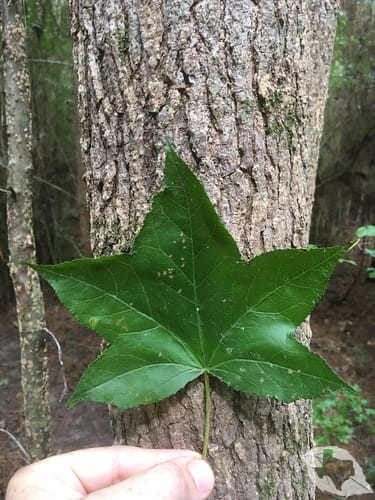
Sweetgum bark.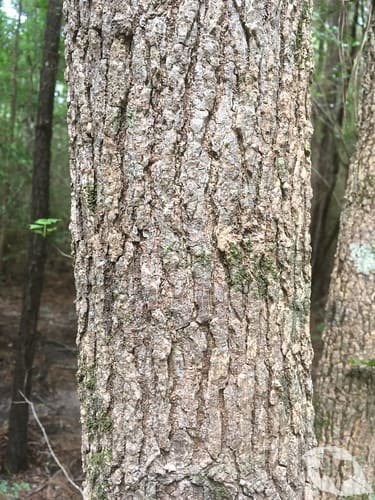
Distribution
North American distribution, attributed to U. S. Department of Agriculture.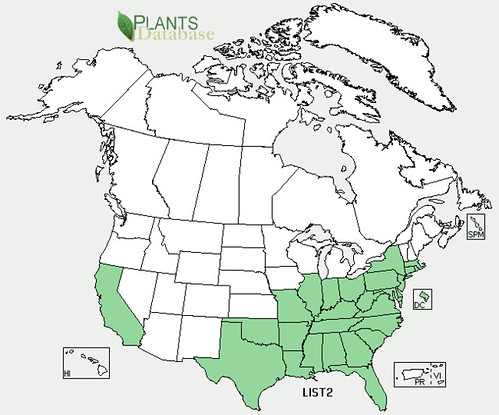
Texas distribution, attributed to U. S. Department of Agriculture. The marked counties are guidelines only. Plants may appear in other counties, especially if used in landscaping.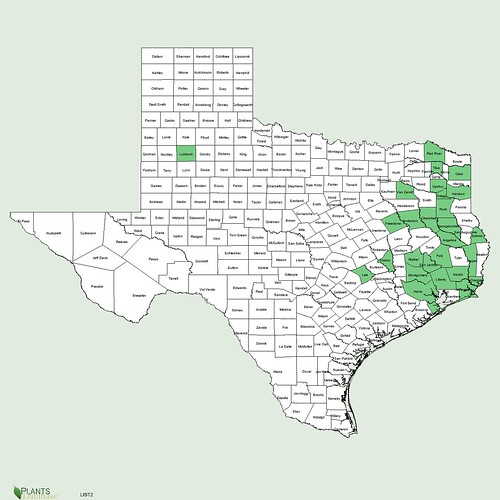
The green pods contain small, aromatic seeds which, when chewed after a meal, help with digestion. The somewhat sweet sap was allowed to dry some and then used as a chewing gum. In its fresh, liquid form it was used to flavor chewing gum up into the 1920's. The young buds are actually tasty, raw nibble.
The leaves contain natural antibiotics and were used to pack wounds. Crush or masticate (chew) the leaves some first to release these antibiotic compounds. Some of the seeds inside the green, spikey pods contain shikimic acid, which is used to make the active ingredient in the flu-fighting medicine Tamiflu. Tea and alcohol extracts of the crushed seed pods have been traditional flu medicines in several different cultures.
Sweetgum sap has amazing medical properties when dried then made into a tisane (aka tea) or tincture. “V” shaped cuts are made into the trunk and over the next few days the sap is collected. Western science has show this sap contains compounds that function as anti-cancer, antimicrobial, antiviral, cough suppressant, anti-inflammatory, anti-hyperactivity, anti-convulsant, liver strengthener, wound healer, and immune system inflammation suppressant. Be grateful you have a sweetgum in your yard rather than cursing it.