Scientific name: Rosa species
Abundance: common
What: flowers, fruit at base of flower
How: both flowers and rose hips can be used in tea, jelly, additions to soup, stews, and salads
Where: yards, abandoned farms
When: fall
Nutritional Value: rose hips contain vitamin A,C,E,K and minerals
Other uses: good for giving to women after you’ve done something stupid
Dangers: remove seeds before using rose hips
Identifying Photos
Domestic roses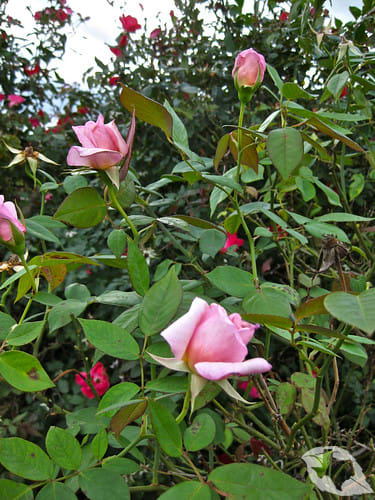
Domestic rose hips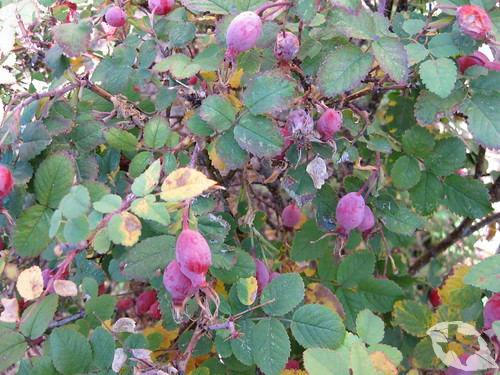
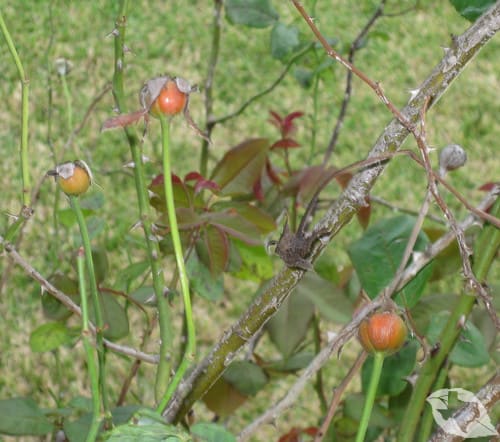
Wild rose flower.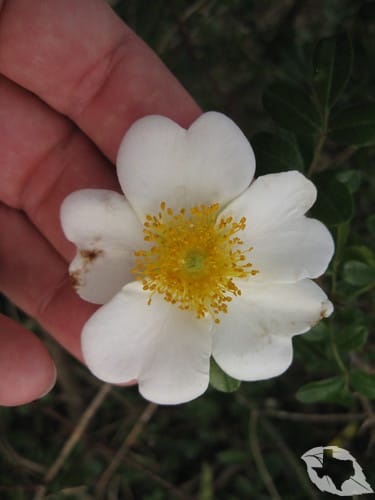
Wild rose stems.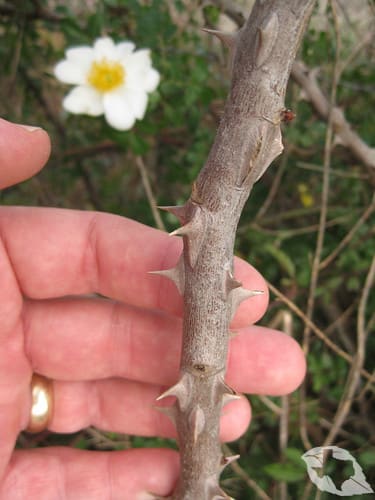
Wild rose hips.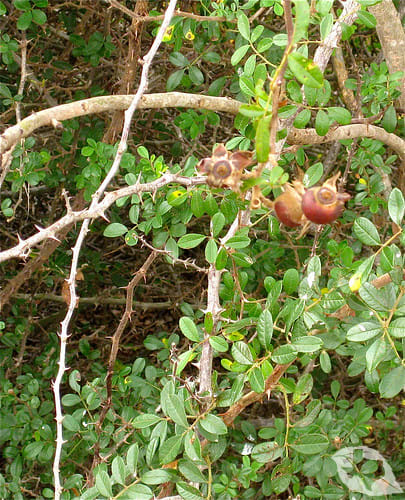
Distribution
North American distribution, attributed to U. S. Department of Agriculture.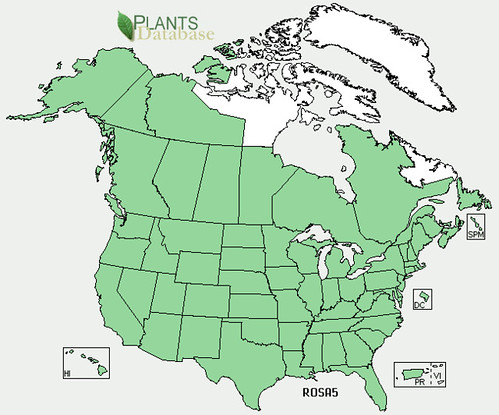
Texas distribution, attributed to U. S. Department of Agriculture. The marked counties are guidelines only. Plants may appear in other counties, especially if used in landscaping.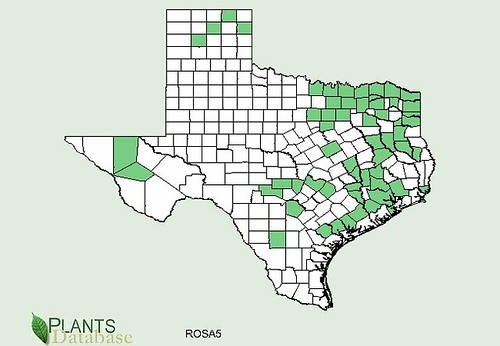
Wild roses can be found growing along fences (barbwire or other types) across the Texas prairie and on old homesteads. They make a formidable barrier or security fence once well established. They are pretty much impervious to droughts, blistering heat, and cold winter frosts.
Rose petals make a colorful and flavorful addition to salads as well as a delicately-flavored jelly. Rose hips are a wonderful source of vitamin C and can be made into jam, jelly, or tea. The seeds inside these hips are covered with tiny, stiff hairs. You must remove the seeds before consuming the hips otherwise these hairs will cause irritation to you bum the next day…