Scientific name: Portulaca oleracea
Abundance: common
What: stems, leaves
How: raw or cooked
Where: sunny sidewalk cracks, yards,
When: spring, summer
Nutritional Value: Vitamins A, C, Bs; minerals, omega-3 fatty acid
Medicinal Summary
Leaves/Stem/Flowers/Seeds – high in omega-3 fatty acids; improves heart strength; antidepressant (eaten)
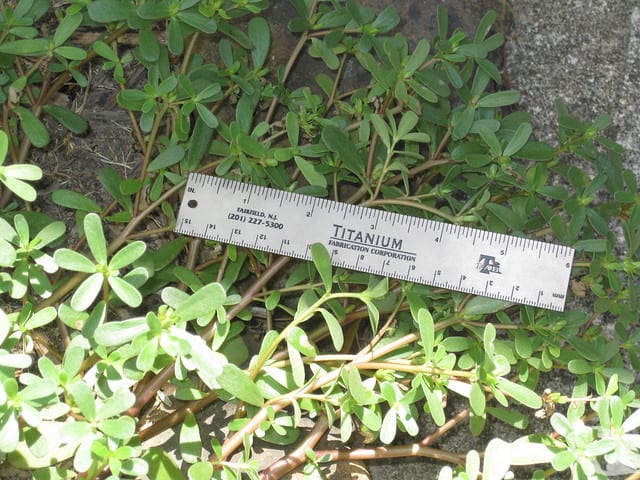
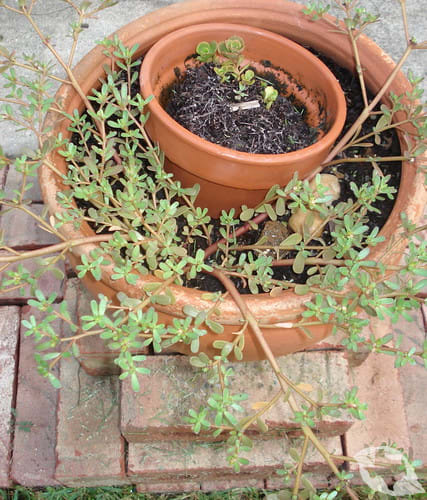
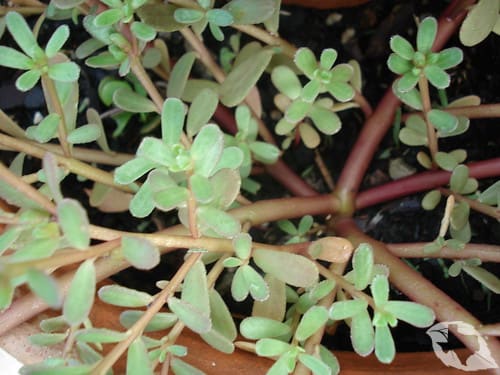
Identifying Photos
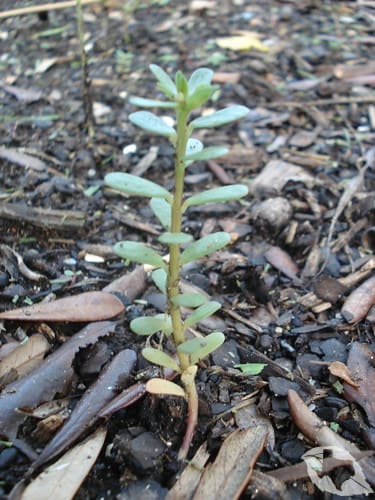
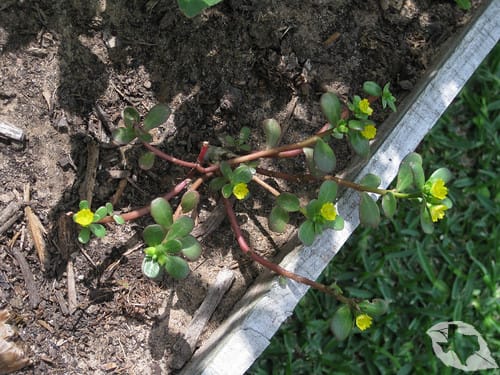
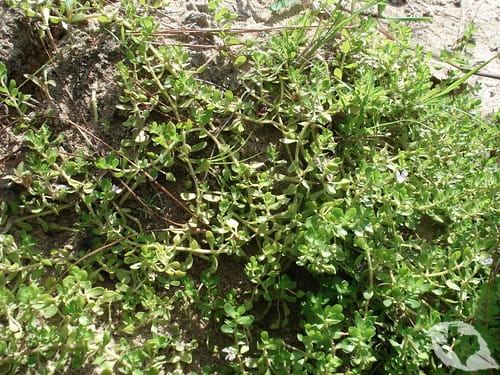
Distribution
North American distribution, attributed to U. S. Department of Agriculture.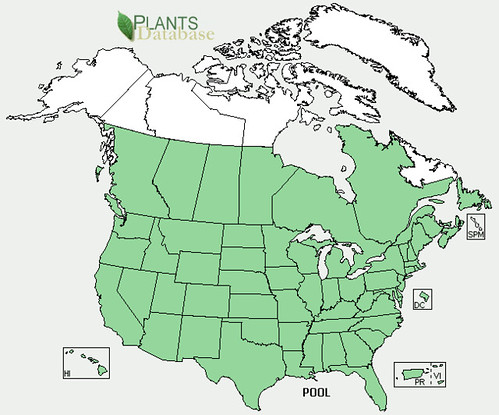
Texas distribution, attributed to U. S. Department of Agriculture. The marked counties are guidelines only. Plants may appear in other counties, especially if used in landscaping.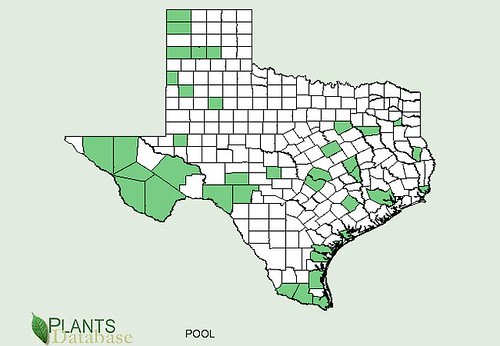
Here in Houston purslane is often found thriving in the cracks of sidewalks and driveways during the worst of summer's heat. The tiny black seeds are prolific and will easily grow in containers, flowerbeds and just about anywhere else. Purslane will also reproduce from plant fragments, making it very easy to propagate.
Purslane is very rich in omega 3 fatty acids as well as other nutrients. It is delicious raw, steamed, fried or cooked. The thickest stems can also be pickled using the recipe & canning time of pickled okra.
Mimics
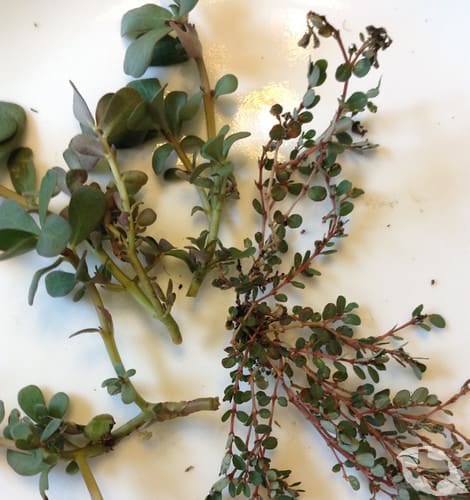
The toxic Spotted Spurge (Euphorbia maculata) shows up at the same time as Purslane and while they may look somewhat similar to novices, they are very easy to tell apart. Spotted Spurge stems always remain thin, never even becoming even as thick as a pencil lead whereas Purslane stems can become thicker than a pencil’s shaft. The spurge’s stem always is a dark red while purslane stems very from green to purple, though are often “earthworm” pink/red. Spurge bleeds a white, latex sap but purslane’s sap is clear if it even is seen. Spurge leaves remain small and flat while purslane leaves become thickly succulent and as large as the first joint of a pinkie finger.
Purslane (left, large, edible) and Spotted Spurge (right, thin, poisonous).