Scientific name: Lactuca serriola
Abundance: common
What: young leaves, unopened flower buds
How: leaves in salad or cooked
Where: woods, fields, yards
When: spring, summer
Nutritional Value: Vitamins A, B, minerals
Dangers: excess consumption of leaves and sap can lead to stomach upset, seeds contain some varnish oils.
Identifying Photos
Young plant.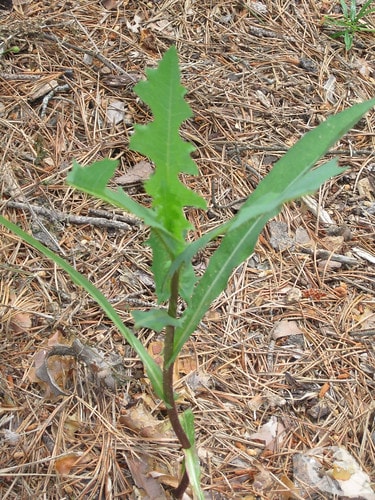
Mature prickly lettuce. They can actually get over six feet tall in prime growing locations.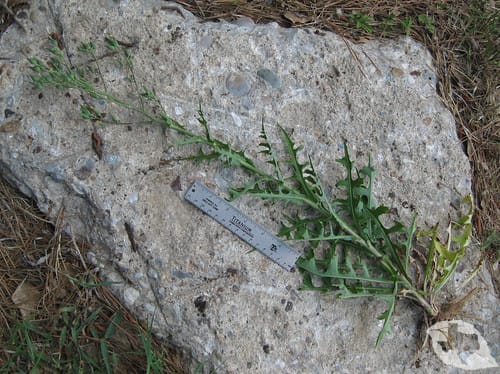
Closeup of prickly lettuce flower buds.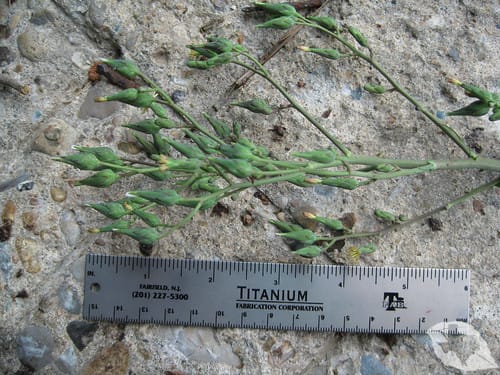
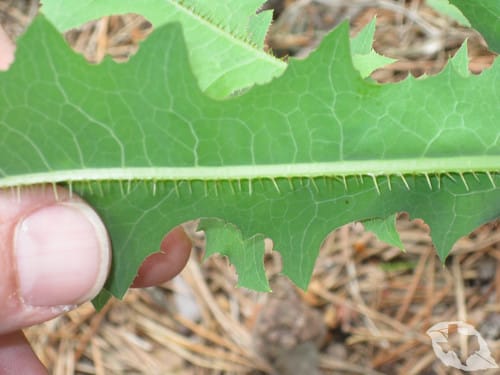
Spines along main vein on bottom of leaf.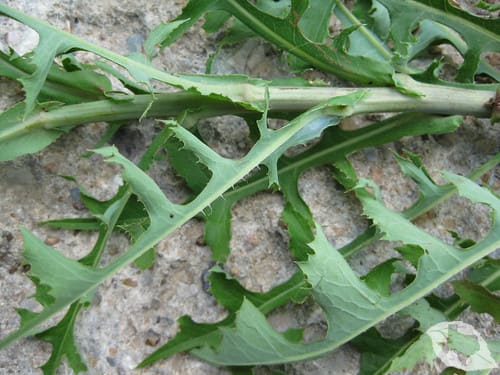
Distribution
North American distribution, attributed to U. S. Department of Agriculture.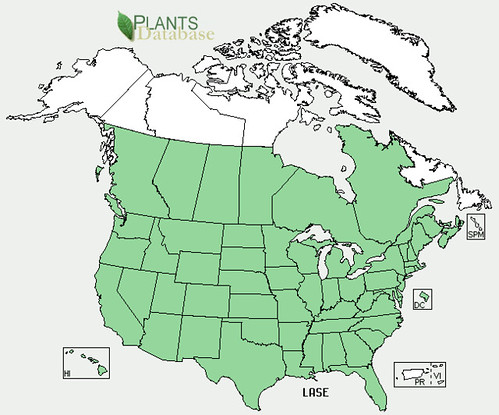
Texas distribution, attributed to U. S. Department of Agriculture. The marked counties are guidelines only. Plants may appear in other counties, especially if used in landscaping.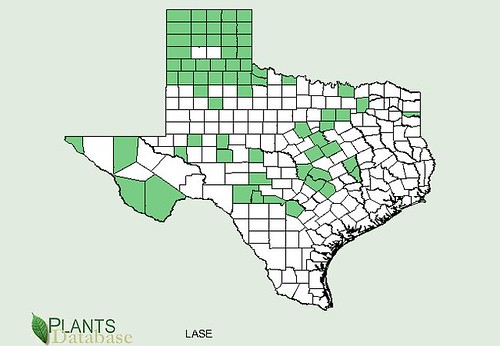
Growing thick and upright in diverse places such as sidewalk cracks to the woods, Prickly Lettuce is a fine salad green, though still somewhat bitter. The spines of this plant are fairly soft and edible raw when the leaves are young. As the plant matures it increases in bitterness, becoming inedible by the time it produces flowers. The white, milky sap contains a small amount of the opiate-type chemical lactucarium, however recent studies have shown this chemical has little to no actual effect on people.
I find the young, unopened flower buds to be a good, raw nibble. These unopened flower buds lack a lot of the bitterness found in other members of this family. The youngest leaves are a good addition to salads but they need to be “diluted” with less bitter greens.