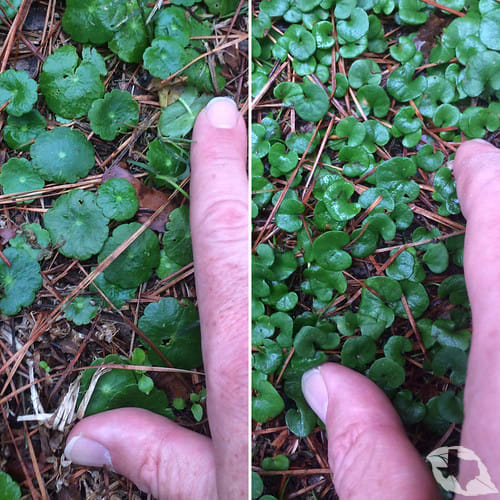
Scientific name: Dichondra carolinensis
Abundance: plentiful
What: leaves, stems
How: raw (good in salads)
Where: yards
When: spring, summer, fall, winter
Nutritional Value: Minerals
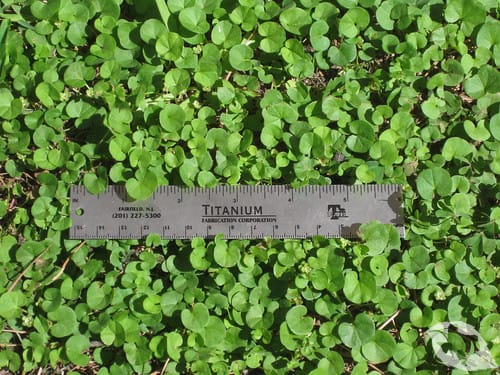
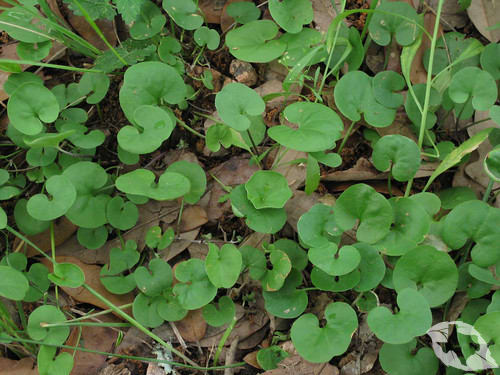
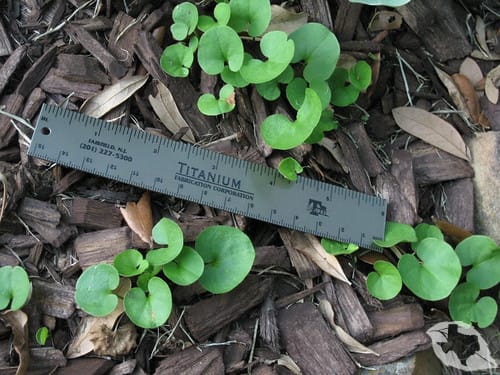
Identifying Photos
Distribution
North American distribution, attributed to U. S. Department of Agriculture.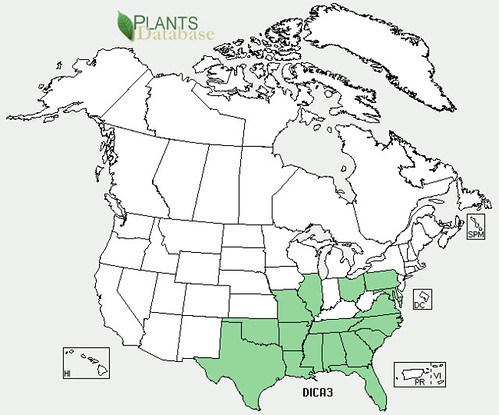
Texas distribution, attributed to U. S. Department of Agriculture. The marked counties are guidelines only. Plants may appear in other counties, especially if used in landscaping.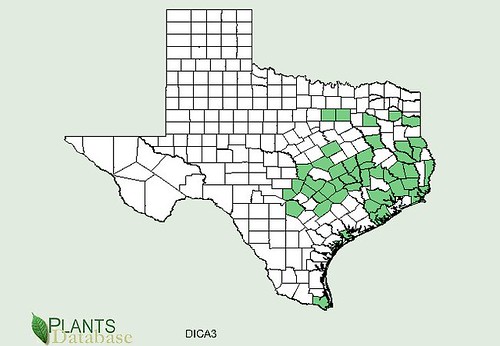
Running rampant but usually unnoticed, young pony's foot is a bland green, best used to cut the bitterness of other wild greens. However, once it gets bigger than a dime it does start turning bitter itself. The leaves are connected to a stringy, tough runner. Remove them from this runner for a more enjoyable eating experience. They are pretty much available all year long, even surviving freezes. Being so plentiful, they are a very good “dilutant” for bitter greens such as dandelions, chicory, sow thistle, and wild lettuces.
Mimics
Some people confuse Pony’s Foot with Dollarweed (Hydrocotyle species). The leaf of dollarweed is a complete circle whereas pony’s foot is cleft, giving it the shape of a horse’s hoof.
Dollarweed on left, Pony’s Foot on right.