Scientific name: Plantago species
Abundance: plentiful
What: leaves, young seed pods
How: raw, steamed
Where: Sunny fields, urban yards
When: Spring
Nutritional Value: minerals, vitamin B
Other uses: Rub mashed leaves on insect bites to relieve pain/itching
Medicinal Summary
Leaves – demulcent; antimicrobial; anti-inflammatory; wound healer; soothes skin, gastrointestinal tract, and urinary tract inflammations (poultice, infused oil)
Identifying Photos
Redseed Plantain (Plantago rhodosperma)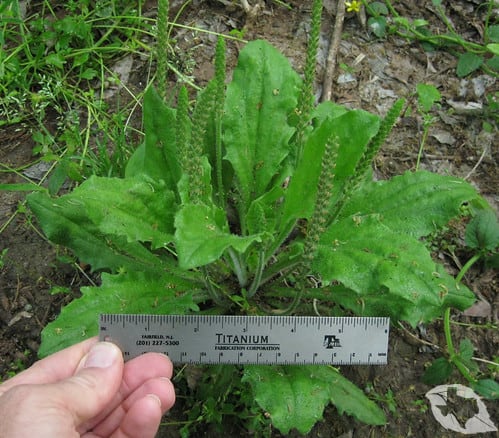
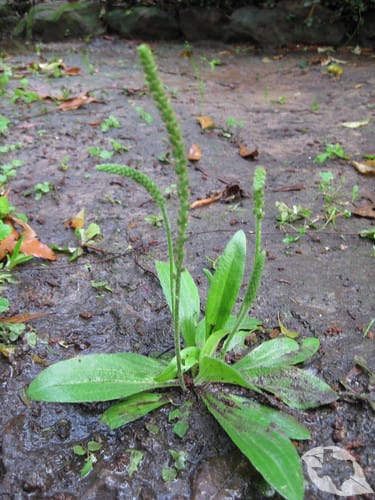
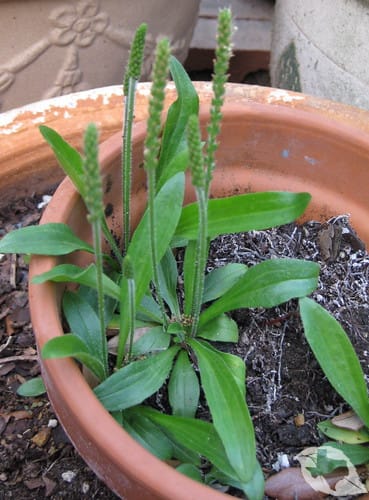
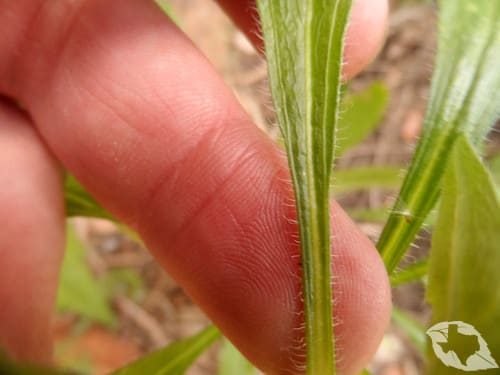
Close-up of plantain leaf.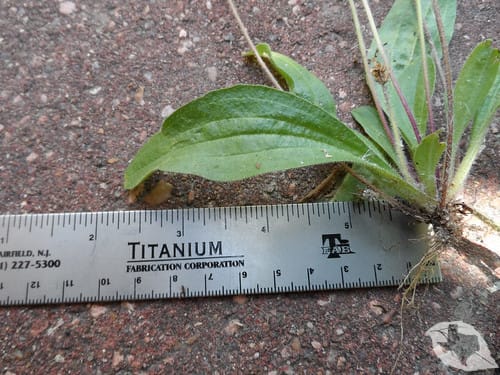
Really big plantains, probably Plantago virginica.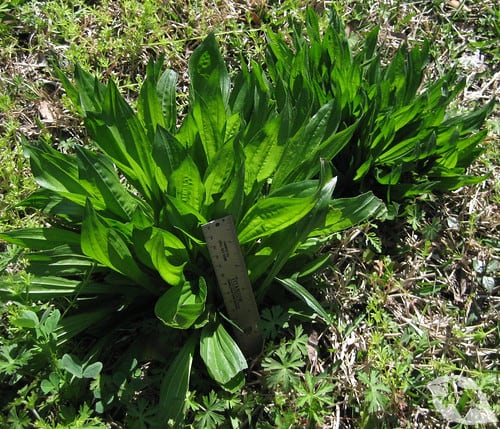
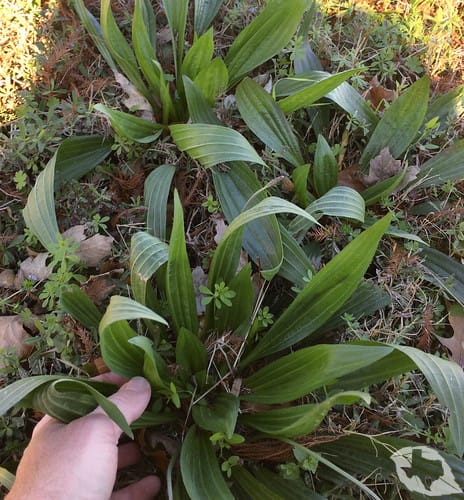
Plantago lanceolate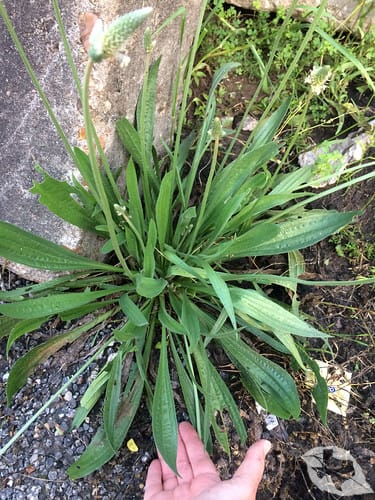
Close up of Plantago lanceolate flower/seed stalk.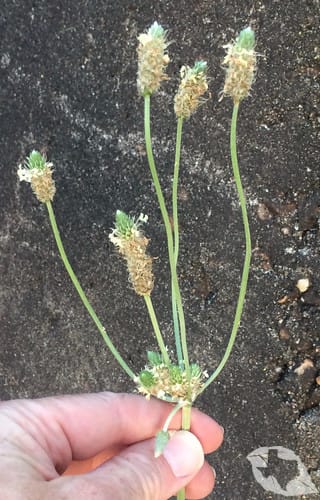
Even closer-up picture of Plantago lanceolate flower/seed head.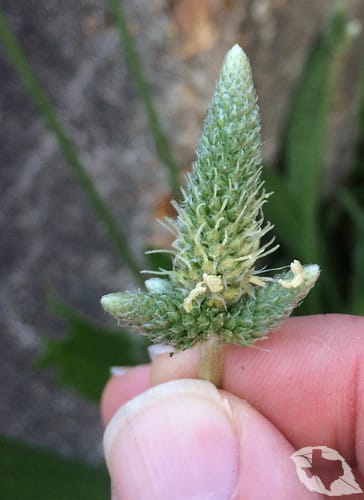
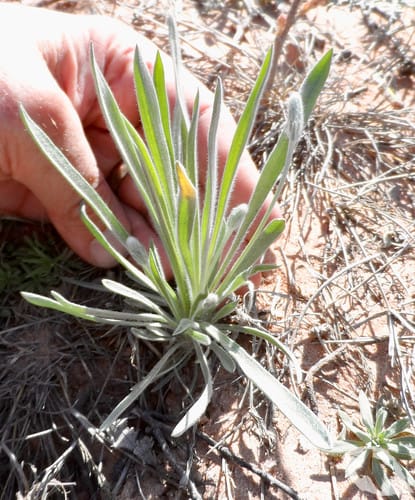
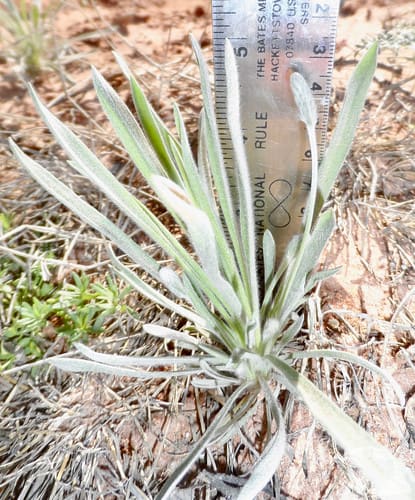
Out in West Texas look for Woolly Indian wheat plantain (Plantago patagonica).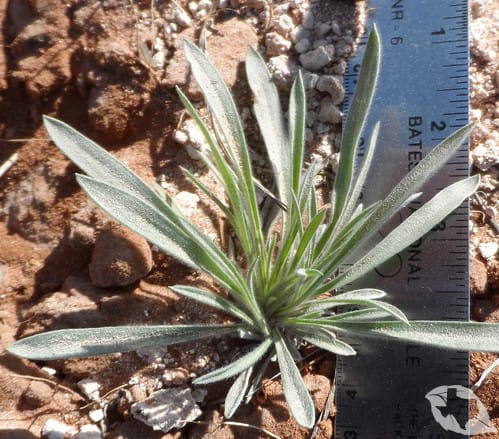
Distribution
North American distribution, attributed to U. S. Department of Agriculture.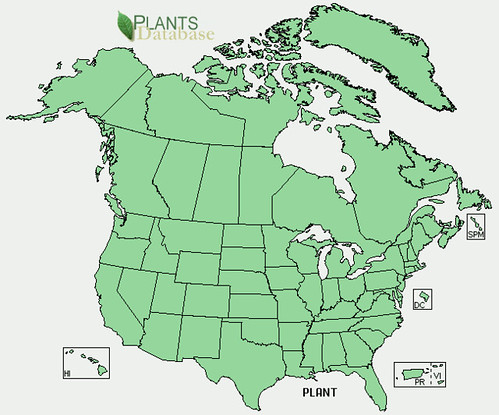
Texas distribution, attributed to U. S. Department of Agriculture. The marked counties are guidelines only. Plants may appear in other counties, especially if used in landscaping.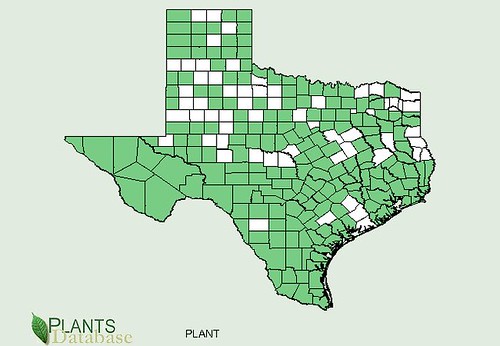
Popping up in winter, plantain rosettes range from almost unnoticeable to quite large in size. The club-shaped leaves may have points along the edge and hairs. Look for it in yards, disturbed areas, and abandoned places receiving lots of winter/spring sun. One of the easiest ways to identify them is that their vein structure is “palmate” which means it has several thick veins running parallel from the base of the leaf to the end, kind of like fingers sticking up from the palm of a hand.
The young leaves have a mild “green” flavor but as they mature I personally find them too rough and stiff to be eaten raw. Cooking the older leaves makes them more tender. Juicing the leaves is a better way of using the mature plant to get their mineral and vitamins.
Plantains produce a cluster of seeds resembling a tiny ear of corn on a long stalk. When the seedhead is still young it can be eaten raw or used like tiny baby corn in a stirfry. As they get older these seedheads also get tough and are rarely eaten.
Medicinally, plantain poultices are the “go to” plant for skin issues such as scrapes, minor rashes, insect stings & bites, and minor burns. Plantain tea is very good at soothing sore throats, acid reflux, and ulcers as well as helping coughs be more effective at expelling “lung cheese”. As I type this there's a bunch of plantain leaves hanging from the light fixture, drying. They'll be infused into olive oil along with comfrey to make an amazing, healing skin salve.
Supposedly smoking dried plantain leaves reduces the urge to smoke tobacco but this effect has not been confirmed.