Scientific name: Pontederia cordata
Abundance: uncommon
What: young leaves, seeds
How: young leaves in salad or cooked; seeds raw, roasted, or ground into flour
Where: shallow water
When: early summer to fall
Nutritional Value: nuts high in starch
Dangers: It is best to cook water plants to kill any bacteria or other water-born parasites
Identifying Photos
Pickerelweed plants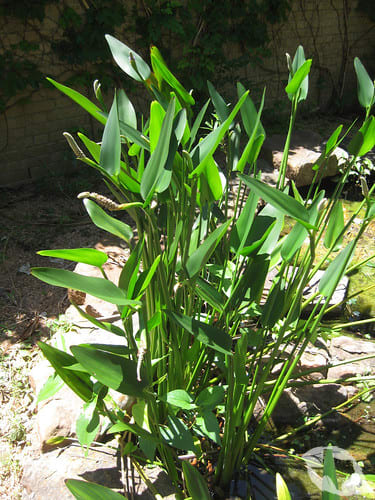
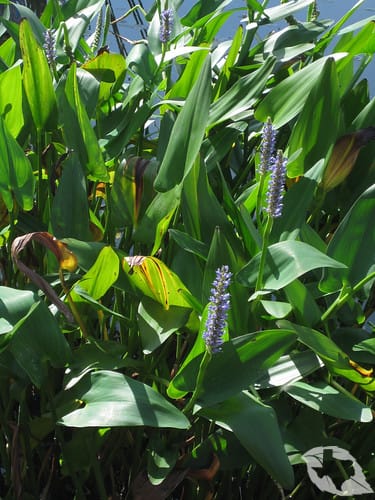
Pickerelweed flower stalk with a few flowers beginning to bloom.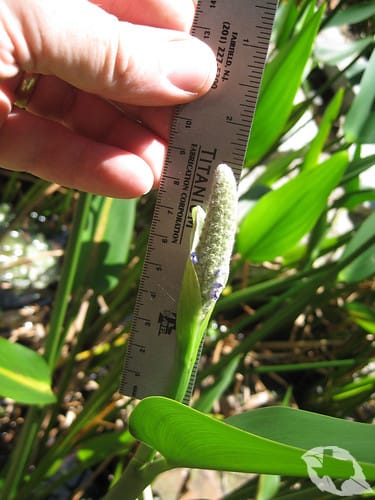
Pickerelweed flower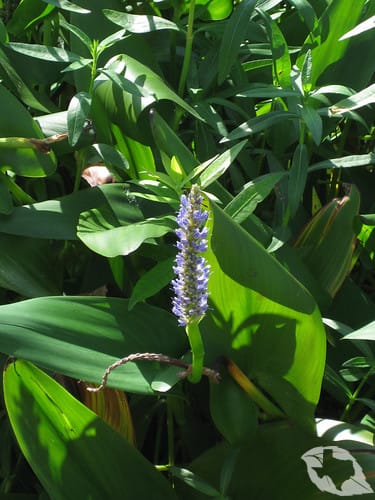
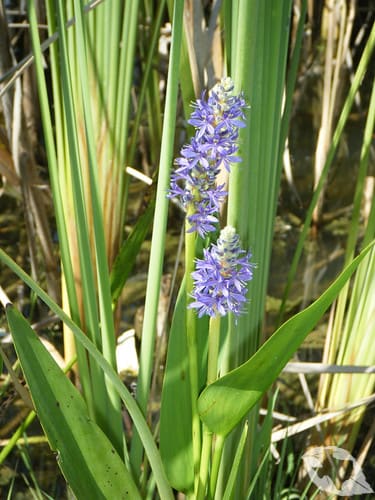
Pickerelweed leaf.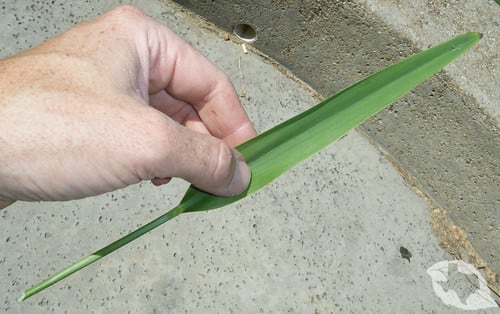
Distribution
North American distribution, attributed to U. S. Department of Agriculture.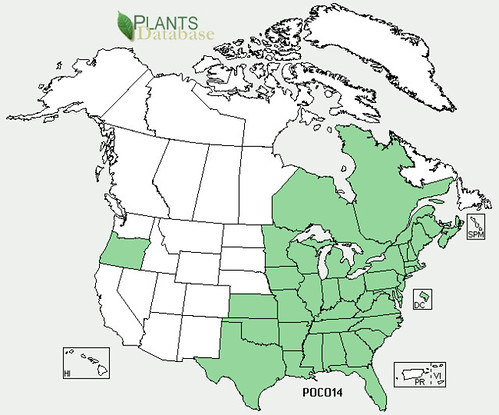
Texas distribution, attributed to U. S. Department of Agriculture. The marked counties are guidelines only. Plants may appear in other counties, especially if used in landscaping.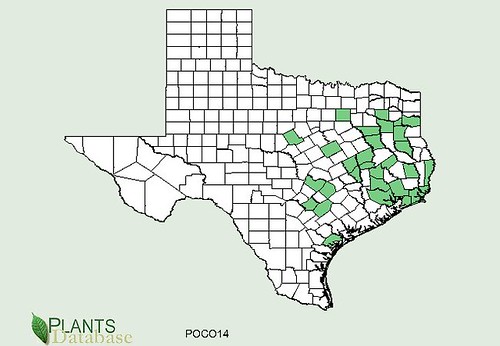
Look for these plants in still water such as ponds, lakes, water features, and very slow moving streams.
The young leaves are edible before they unroll (early summer). The pickerel fruit isn't edible but the seed it contains is a great food source. These seeds can be eaten raw, ground into flower, roasted, or boiled into a porridge.