Scientific name: Sabal minor
Abundance: plentiful
What: The “heart” of the plant, fruit
How: Raw, cooked
Where: Shady, moist, low areas
When: Buds all year, fruit late summer to mid-fall
Nutritional Value: rich source of carbohydrates
Other uses: Fibers/cordage
Dangers: very pointy leaves
Identifying Photos
Dwarf palmetto plant.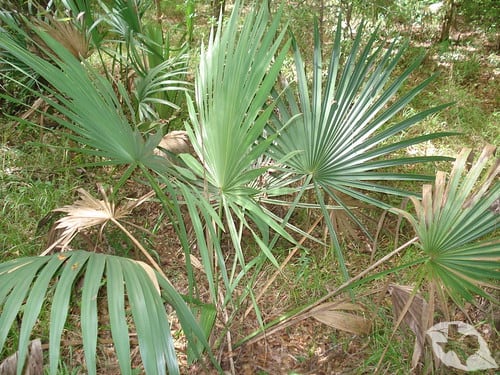
Stand of Dwarf Palmettos.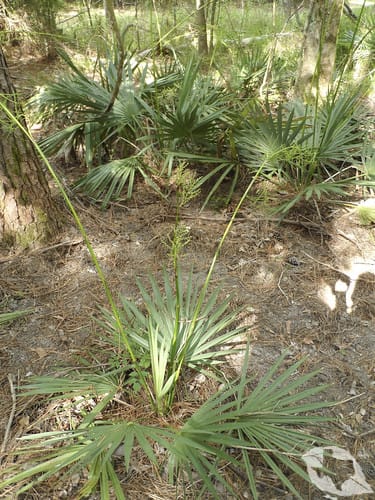
Dwarf palmetto flowering in July in the Houston area.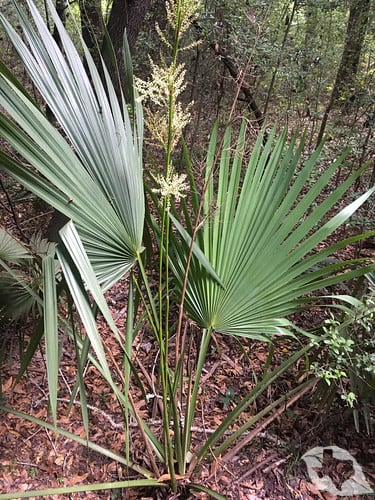
Close-up view of the dwarf palmetto flowers.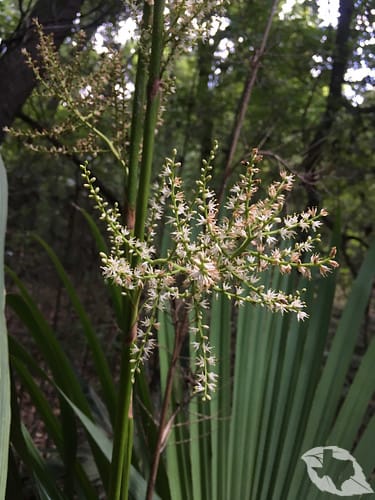
Still closer view of the flowers.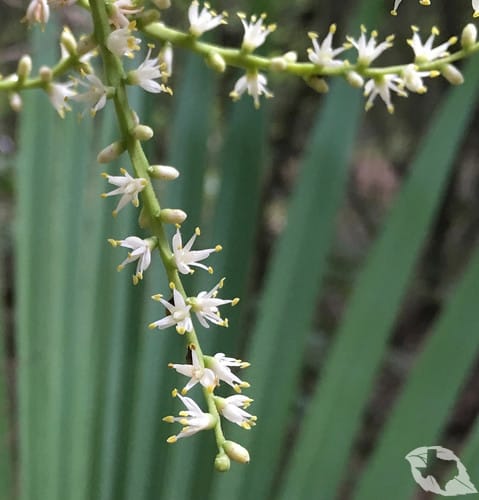
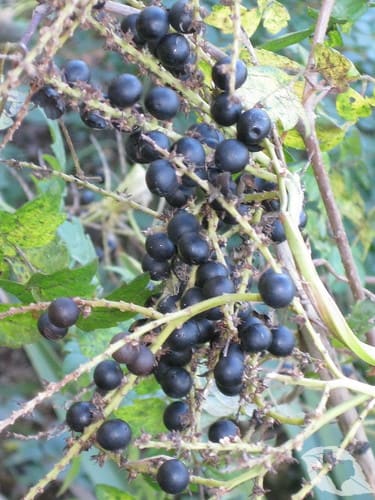
Fruit (edible when flat black in color).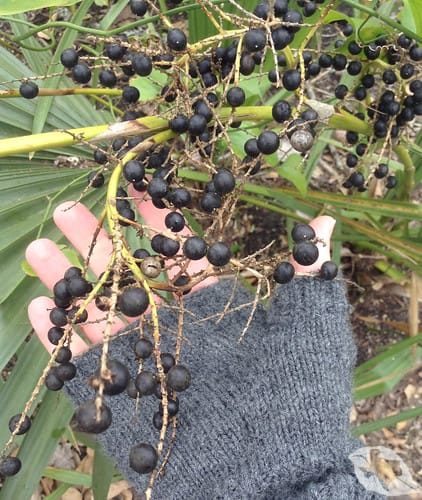
Underground portion of root system exposed along river bank.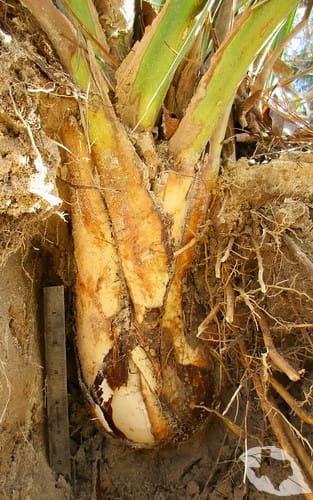
Root section dug up and peeled to reach terminal bud and heart.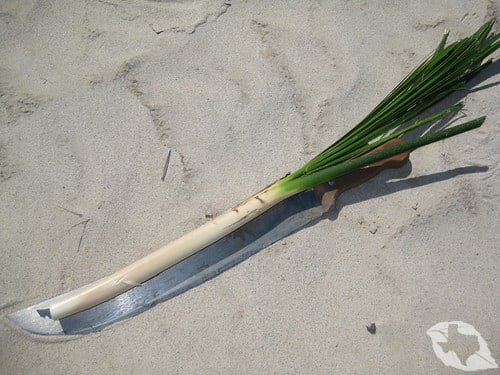
Distribution
North American distribution, attributed to U. S. Department of Agriculture.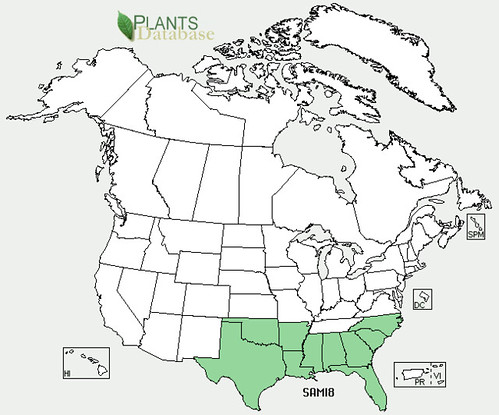
Texas distribution, attributed to U. S. Department of Agriculture. The marked counties are guidelines only. Plants may appear in other counties, especially if used in landscaping.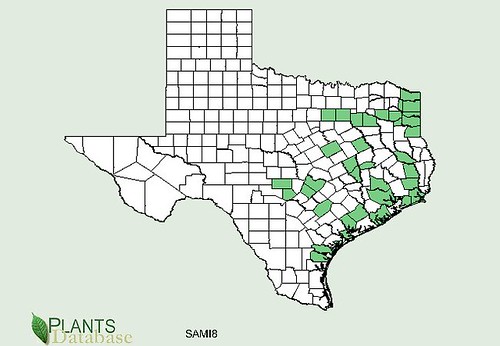
Dwarf palmettos are good sources of calories all year. The easiest way to get the “heart” of this palm is to dig up, root ball and all, then peel/cut away the fronds. Eventually you'll reach a inner section that looks like the inner portions of celery or an artichoke heart. Cut away the roots and anything still stiff or hard. Anything soft is edible. It has a somewhat bitter, unusual taste raw. Roasting it makes it a little sweeter.
The berries begin appearing in late summer and are usually edible into mid-fall in the fall. They are very nutritious and supposedly are good for the prostrate. A word of warning though. These berries taste really good to about 85% of the population. 15% of humans have an extra taste receptor that can sense a particular chemical in these berries that the other 85% can't. I have those extra taste sensors and to me the fruit tastes the way cat vomit smells. Most likely they'll taste good to you.
The berries have a larger kernel from which palm oil can be pressed. You can find ready-made nut oil presses on line as well as directions on how to make your own oil press out of some pieces of pipe and an auger bit.
Dwarf palmettos grow in low, wet, shady areas. If you are looking to buy property and dwarf palmettos are present you can be pretty sure that area floods often!