Scientific name: Nandina domestica
Abundance: invasive
What: berries, young leaves
How: boil leaves twice, berries made into jelly
Where: landscaping, woods
When: spring, summer, fall, winter
Nutritional Value: wood/roots contain berberine and
Dangers: seeds of berries are mildly toxic, leaves must be boiled twice before eating
Identifying Photos
Nanadina aka “Heavenly Bamboo” is often used in landscaping but it has escaped into the wild.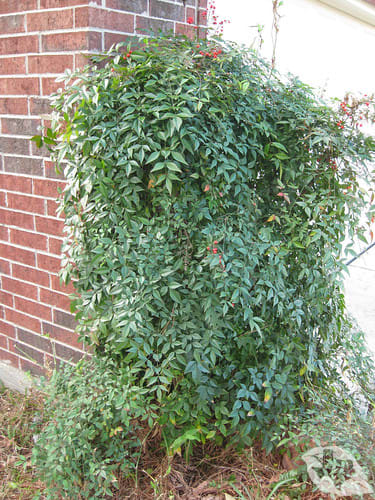
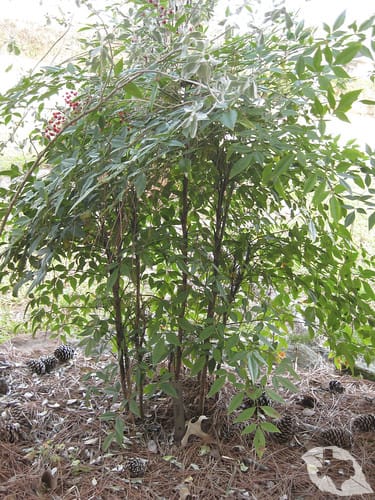
Leaves are edible after boiling twice. Younger leaves are better than older ones.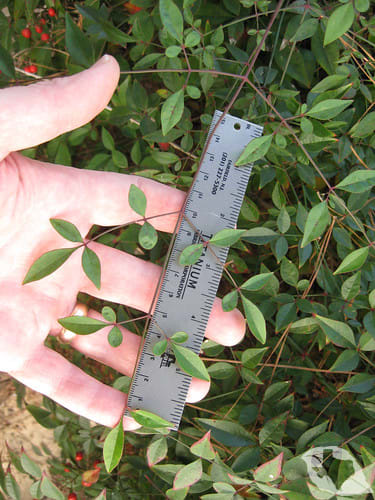
Close-up of Nanadina leaf.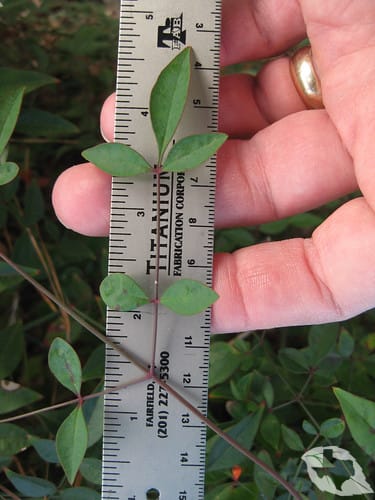
Younger portions of the plant stems have a reddish-purple color.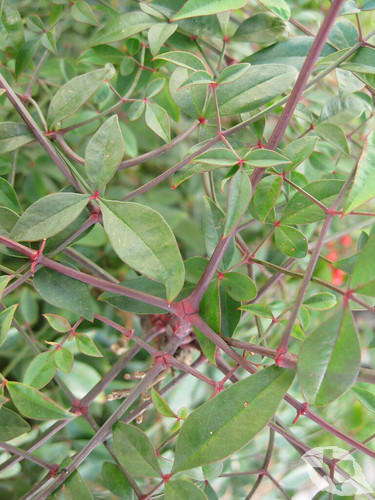
The pulp of Nanadina berries is edible but not overly flavorful. The seeds contain cyanide compounds and must be removed.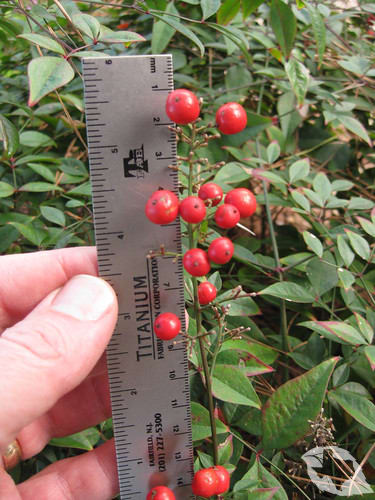
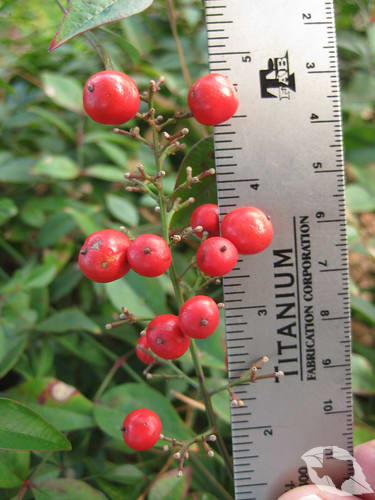
The woody trunks and older stems are peeled and whittled into flavorful toothpicks.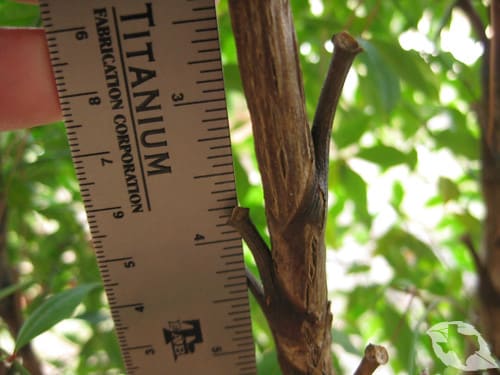
Distribution
North American distribution, attributed to U. S. Department of Agriculture.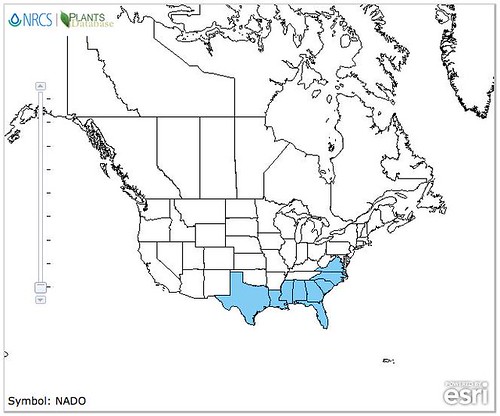
Texas distribution, attributed to U. S. Department of Agriculture. The marked counties are guidelines only. Plants may appear in other counties, especially if used in landscaping.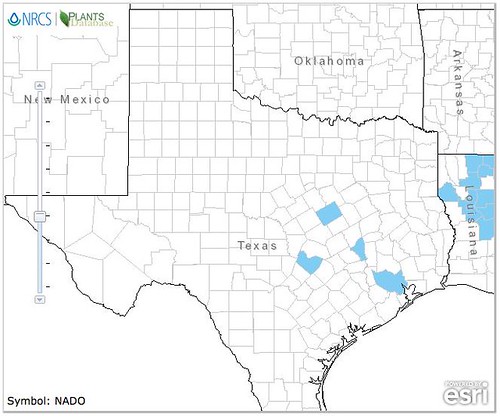
First arriving to the United States in 1804 AD, Nanadina has become a very common landscaping plant in warmer areas due to its evergreen leaves, attractive red berries, ability to thrive in sunny and shady areas as well as not being susceptible to pests or infections. Birds eat the berries…which has led to this plant showing up in many places it hadn't been planted. Nanadina is equally home in a suburban yard or deep Texas woods, both of which are far from its native Asian homeland.
Like Pokeweed, the leaves of Nanadina must be boiled twice before eating. This removes its toxic compounds as well as tenderizes the leaves. However, the end flavor isn't as pleasing as Pokeweed.
There's some debate on the edibility of the berry pulp but the berry seeds are known to be mildly poisonous due to containing cyanide compounds. The pulp has been used to make jelly but other fruits are usually included for improved flavor.
For those of you who like flavored toothpicks, the woody portions of this plant can be whittled into aromatic toothpicks and “chewing sticks”.
The yellow roots contain berberine which is a powerful, broad spectrum antibiotic and also used to dye wool. It also contains higenamine which displays a number of medicinal effects.