Scientific name: Malva neglecta, Malva parviflora
Abundance: common
What: leaves, young shoots, roots
How: raw, steamed, sauteed, tea. leaves and roots produce a thickening agent
Where: sunny, fields, yards
When: spring, summer, fall, winter
Nutritional Value: very high in minerals, vitamins A & C, and protein.
Medicinal Summary
Leaves – demulcent; laxative; slows sugar transfer from stomach to blood; soothes gastrointestinal inflammations ((tisane, poultice))
Identifying Photos
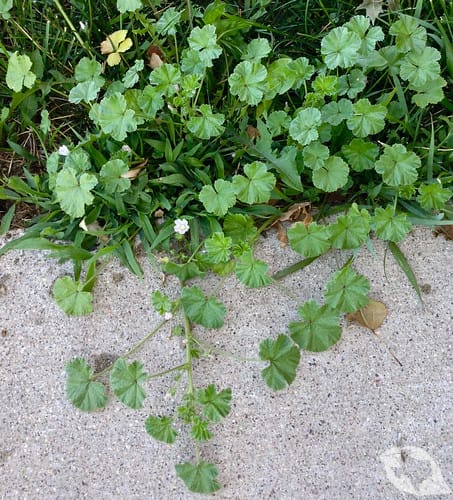
Young Mallow sprouts.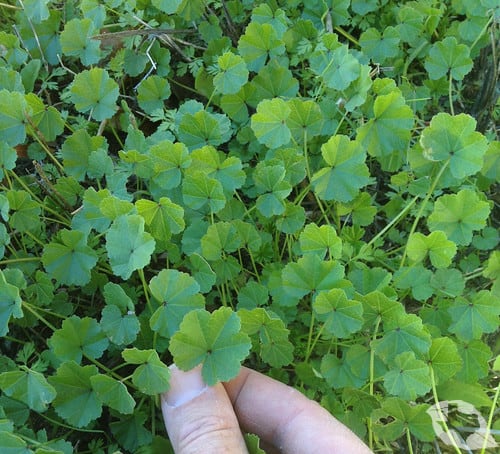
Mallow leaves and flowers.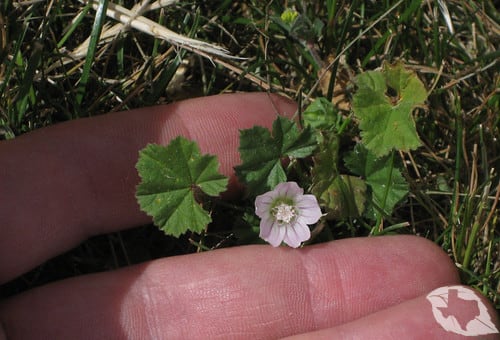
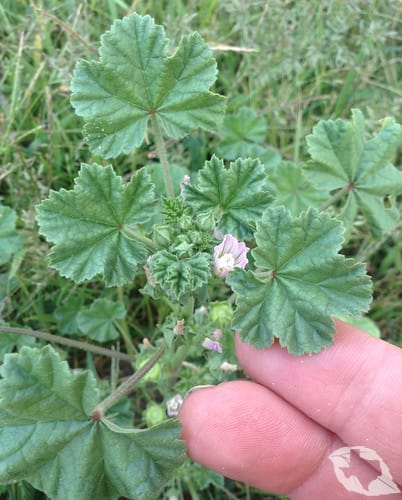
Close-up of the Malva neglecta flower and “cheese” seedpod.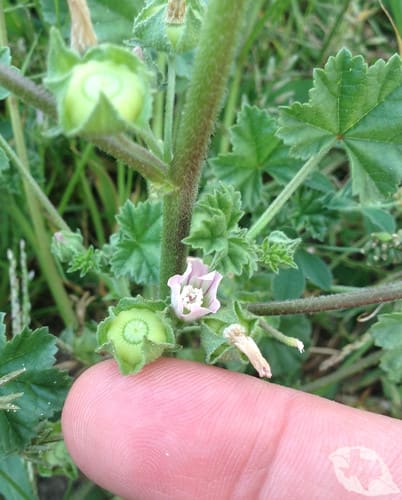
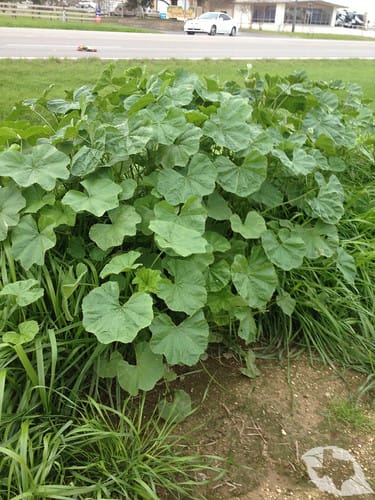
If not mowed, these mallows can become small bushes.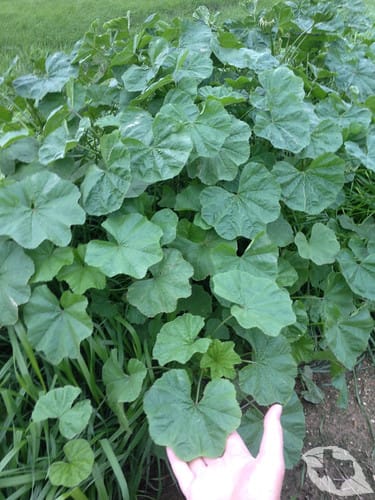
Distribution
Texas distribution, attributed to U. S. Department of Agriculture. The marked counties are guidelines only. Plants may appear in other counties, especially if used in landscaping.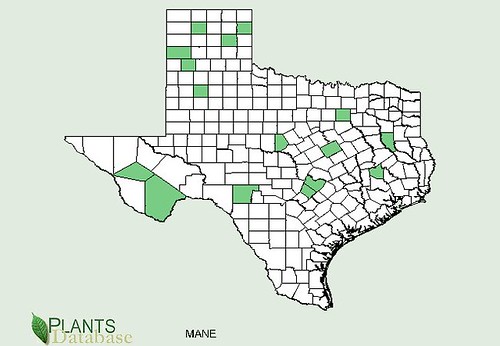
North American distribution, attributed to U. S. Department of Agriculture.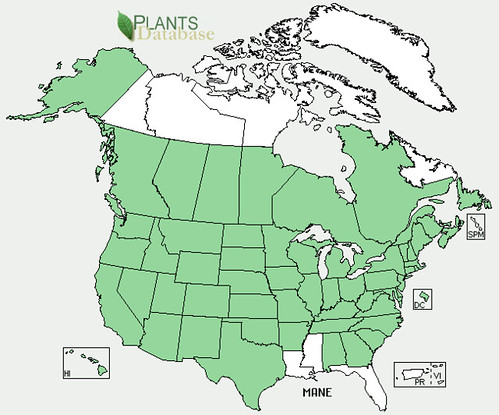
Driving through Giddings, TX always excites me because that's where I start seeing Malva neglect. The coarse, hairy plant appears in forms ranging from small, scraggly yard weeds to thick, lush, large beds along country roads. Leaves will range in size from under one inch to over two inches across. The green, scalloped leaves quickly become unmistakable after a few encounters, allowing the forager to pick them out from quite a distance. Unless knocked back by a very hard frost these mallows will continue to grow all year long. They do seem to do a bit better in cooler months, however.
The flowers of Malva neglecta are mainly white with pinkish or purplish stripes which can end up coloring the entire flower. After the flower comes the "cheese" which is a round seedpod. These seedpods are a good nibble when still green and tender. Later on when the pods turn hard and brown the seeds can be collected and eaten but they are quite small.
These mallows are "superfoods" rich in vitamins, minerals and protein. It's mature leaves are rarely eaten fresh as they are stiff and rough and have a bland taste that is easy covered by others flavors. A popular way of consuming this plant is to dry it then crumble it into smoothies, soups, stews, or other foods with sauces.
Mimics
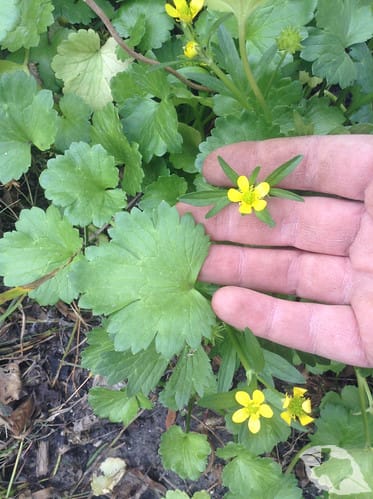
Don’t mistake young toxic. Creeping Buttercup (Ranunculus repens) for Mallow seedlings. Creeping Buttercup leaves have deeper clefts and a shinier, light-green color. If you aren’t sure what you have, wait a few weeks to see how the plant grows. If it develops yellow flowers and sharply cleft leaves it’s the toxic Creeping Buttercup.
Young, toxic Creeping Buttercup.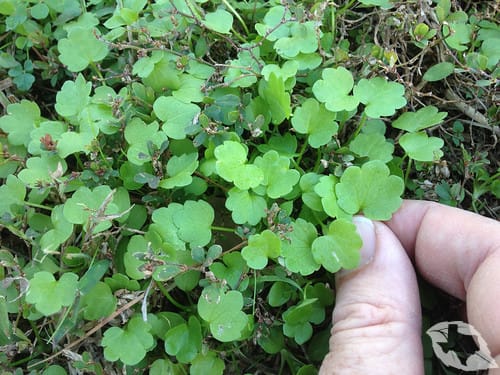
Mature, toxic Creeping Buttercup.