Scientific name: Hibiscus lasiocarpos
Abundance: rare
What: roots, young leaves, flower buds,
How: Leaves, roots, stem, and flowers contain a mucilage-like material which can be used to thicken soups and stews. Flowers can be eaten raw. Young leaves can be eaten raw or cooked with other greens or boiled alone. Roots are peeled, sliced then fried. Flower buds can be raw or cooked. All parts of the plant can be made into tea, seeds are roast and ground for a coffee substitute.
Where: Moist areas
When: Young leaves in spring, summer; roots all year, flowers in summer.
Nutritional Value: Roots high in starch, rest of plant contains small amounts of vitamins and minerals
Medicinal Summary
Root – demulcent; laxative; slows sugar transfer from stomach to blood; soothes gastrointestinal inflammations (poultice, tisane)
Identifying Photos
Marsh mallow flowers and flower buds, both of which are edible.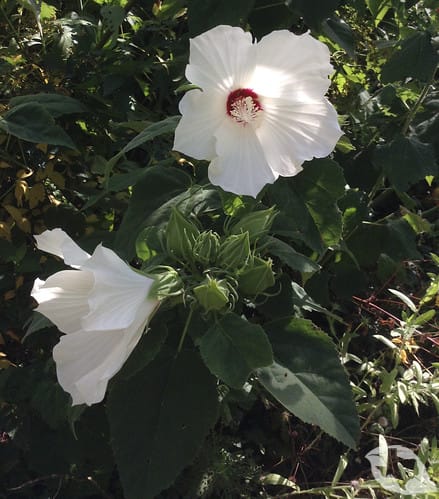
Marsh mallow (plants grow up to four feet tall). Note last year’s dried seedpods.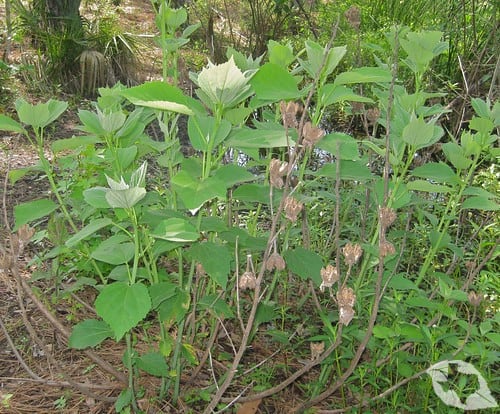
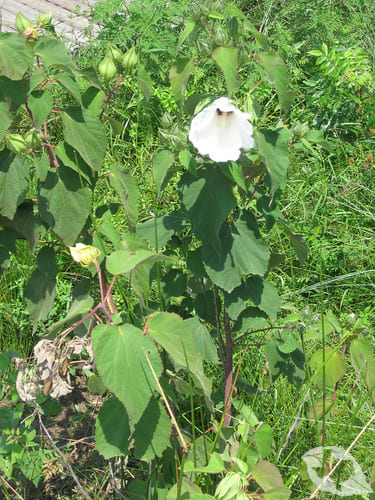
Marsh mallow leaf.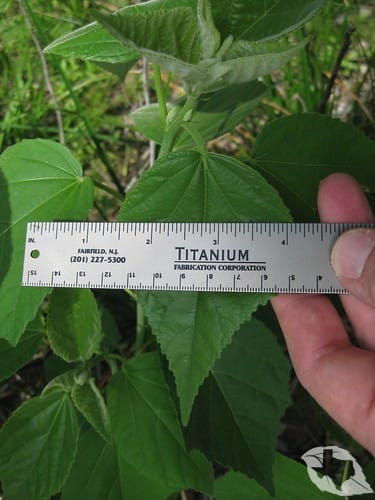
Close-up of marsh mallow leaf. Note the fine hairs which give it a velvety feel.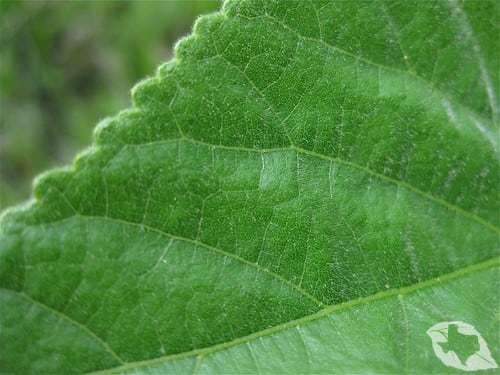
Marsh mallow flower.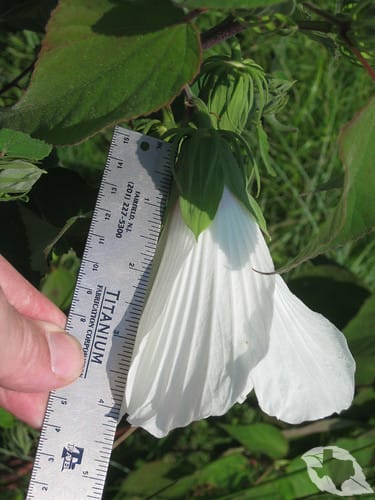
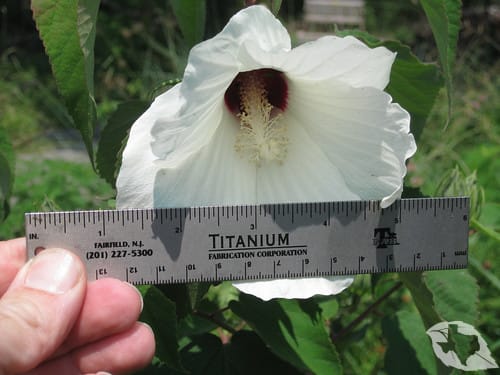
Marsh mallow flower buds before blooming.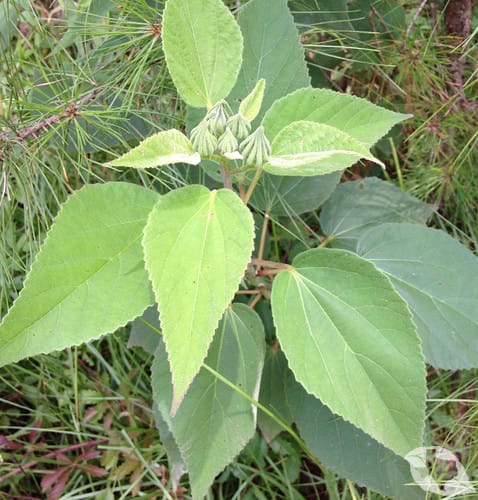
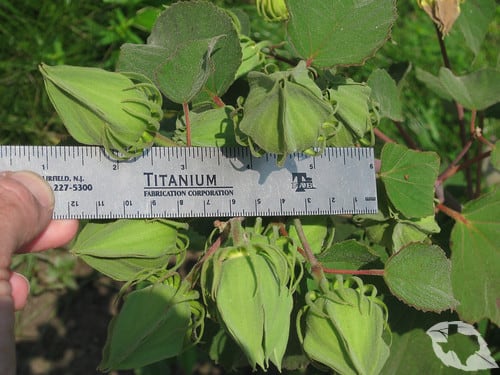
Tender seedpods taste kind of like okra.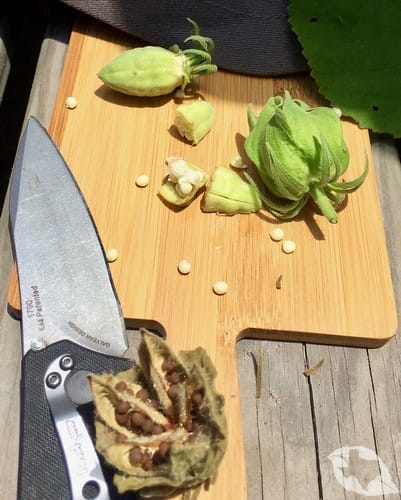
Dried marsh mallow seed pods which have split open, revealing their seeds.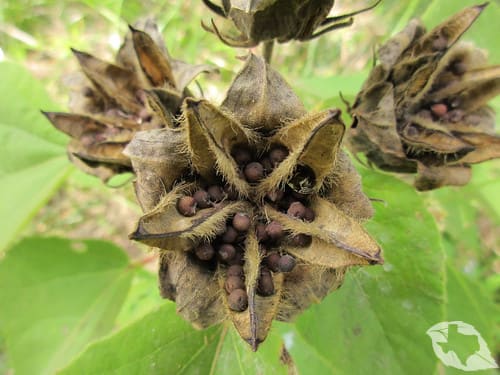
Distribution
North American distribution, attributed to U. S. Department of Agriculture.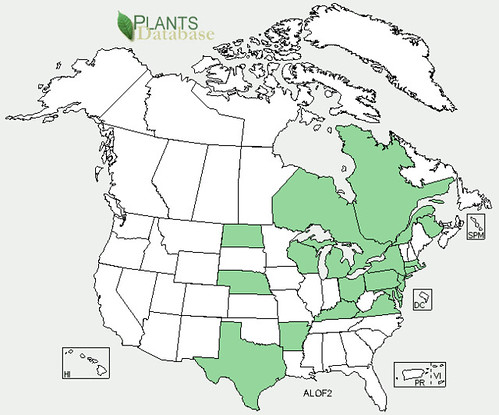
Marsh mallows are usually found in shady, moist areas but on occasion they can be found in sunny, moist areas, too.
To make original marshmallows, peel roots and slice them into thin wafers then boil 20 minutes in minimum amount of water. Remove the root slices, add sugar or other sweetener and boil down fluid until very thick. Whip this hot fluid like egg whites then drop globs onto wax paper, after they've cooled dust them with powdered sugar.
The seeds can be roasted then ground in a coffee grinder for use as a substitute for real coffee. It tastes pretty good, though does not have any caffeine.
Young leaves and tender flower buds can be used to thicken soups, stews, curries, and other sauces. The tender flower buds can also be pickled or fried like okra. Opened flowers can be used in salads or made into tea though these are best the first day they've opened.
The dried root has been used in herbal "tobacco" substitutes.