Scientific name: Ginkgo biloba
Abundance: rare
What: leaves, nuts
How: leaves raw, tea; seed/nut roasted
Where: woods, landscaping
When: leaves in spring, summer, fall; nut in summer
Nutritional Value: leaves are medicinal, nuts have calories
Dangers: the fruit STINKS and contains assorted, somewhat dangerous chemicals. Do not let the raw fruit pulp come in contact with bare flesh, mouth, or eyes.
Medicinal Summary
Leaves – improves blood circulation; improves memory; may reduce dementia (chewed)
Identifying Photos
Ginkgo leaves.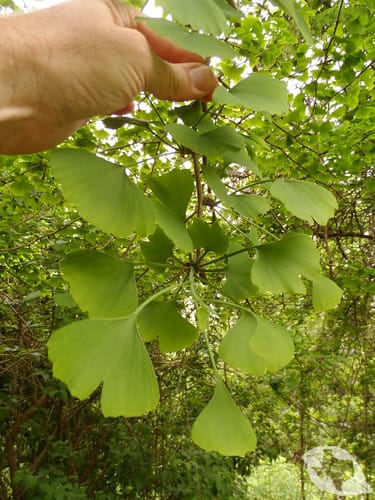
Close-up of Ginkgo leaf.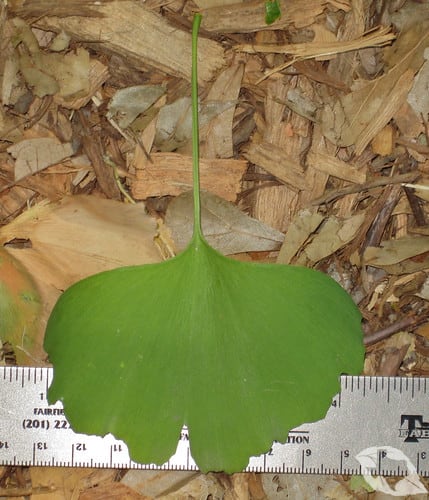
Ginkgo trunk.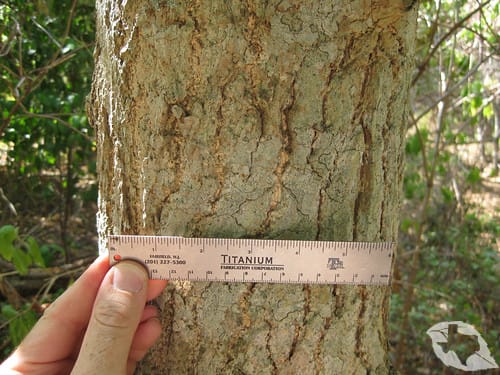
Young Ginkgo tree.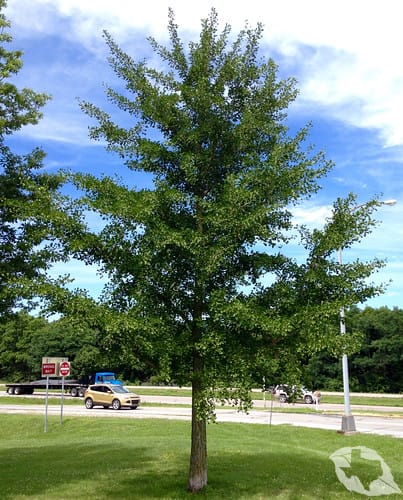
Unripe Ginkgo fruit (female trees, only).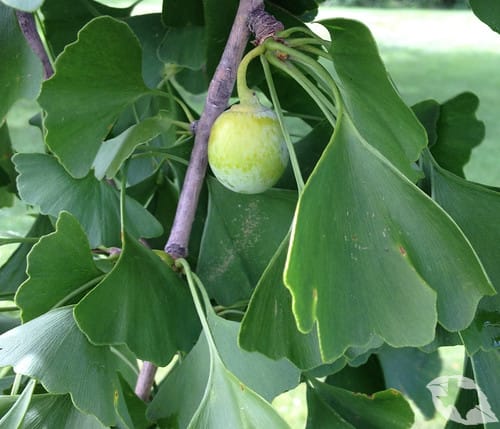
Close-up of Ginkgo fruit. When yellow/orange, soft, wrinkly, and falling from the tree it’s ripe.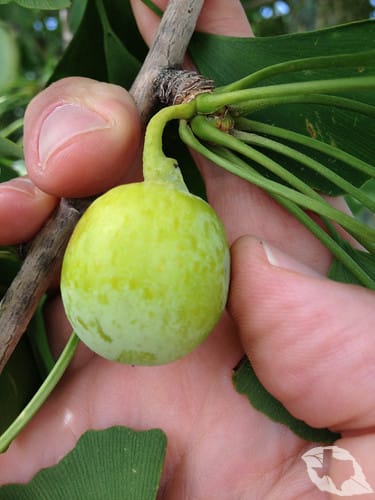
Ginkgo fruit (ripening in the fall). By Famartin (Own work) [CC BY-SA 4.0 (http://creativecommons.org/licenses/by-sa/4.0)], via Wikimedia Commons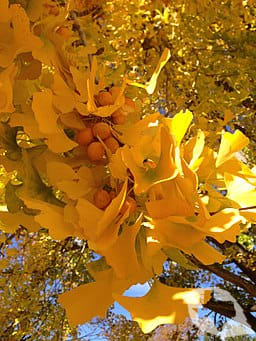
Ginko nuts after removing outer fruit (female trees only).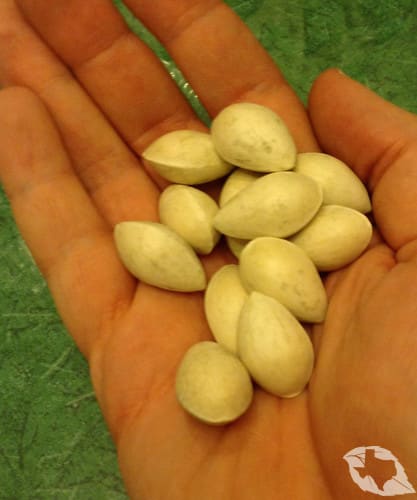
Ginko trees, native to Asia, are now common landscaping plants. Due to the mess and smell of the ripe nut outer coating, usually only male forms of the tree are used. Ginkgo are ancient trees dating back 270 million years and is considered a “living fossil” and a single tree can live 1,000 years. Individual ginkgo trees are either male or female, with only the female producing fruit. The fruit ripens in the summer as approximately grape-sized yellow fruit. This fruit pulp smells really bad, something like a cross between dog poop and vomit. This pulp is discard because the real treasure is the large seed it contains. Wear rubber gloves when digging the seed out of the ginkgo fruit or else your hands will stink for days. Scrub any pulp off the seeds with plenty of running water. The seeds/nuts are then roasted as the unroasted seeds are still somewhat toxic.
Ginkgo leaves have a long history of being used to treat issues with blood circulation, memory, and dementia. The easiest way to use them is to chew a leaf into a pulp and then suck on this pulp for 10-20 minutes. Tea can also be made from the leaves.