Scientific name: Cardiospermum corindum
Abundance: uncommon
What: young leaves; vine tips
How: cooked
Where: fields, borders, dry, moist
Nutritional Value: minor
Dangers: none
Identifying Photos
Ballon vine plant in the fall.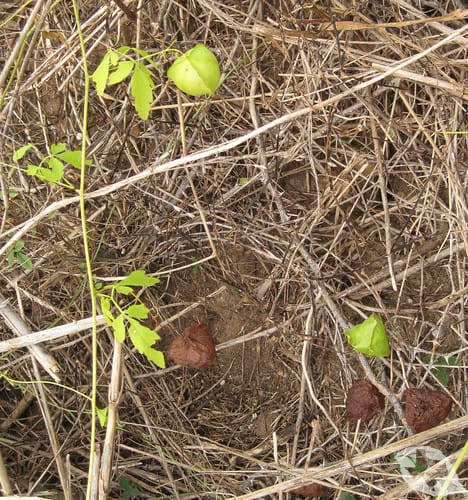
Balloon Vine flower. They can keep producing flowers while the temperatures are still warm.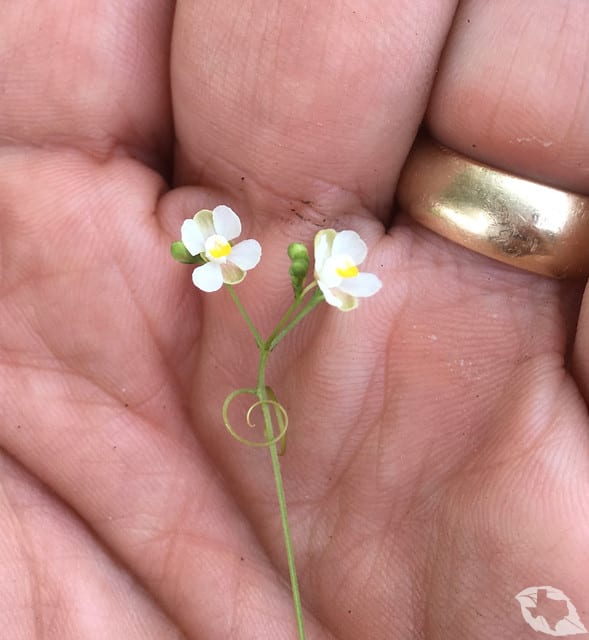
Balloon vine leaf.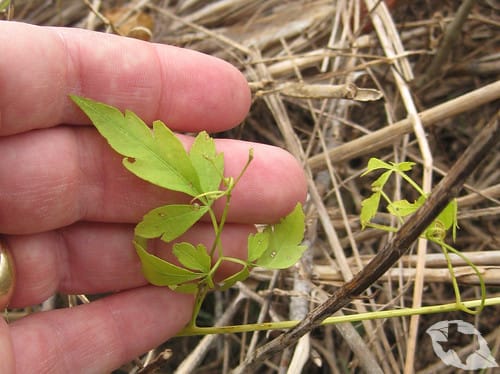
Balloon vine leaf and green seed pod “balloon”. Seed pod/seeds are NOT edible.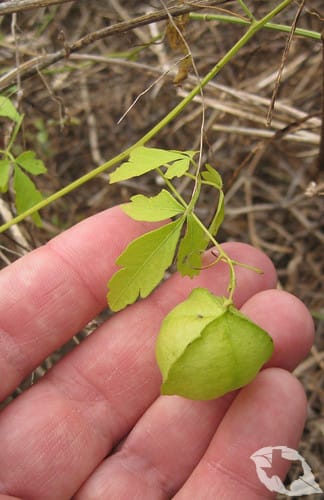
Dried balloon vines seed pods.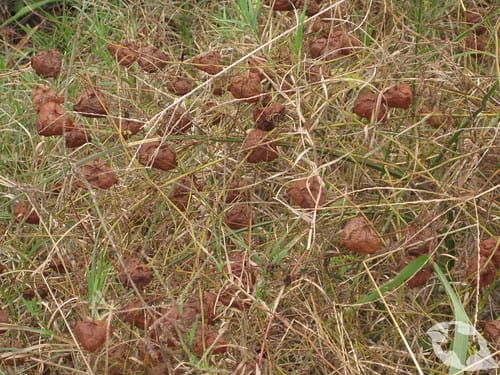
Balloon vine seeds.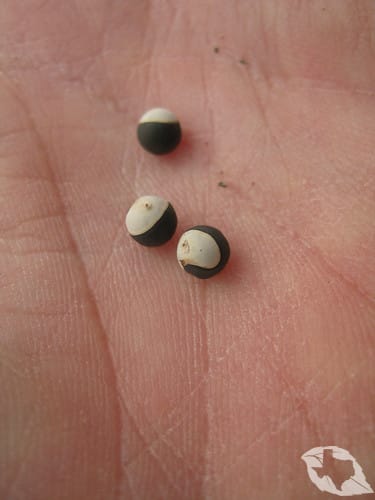
Balloon Vine on the left, Ground Cherry on the right.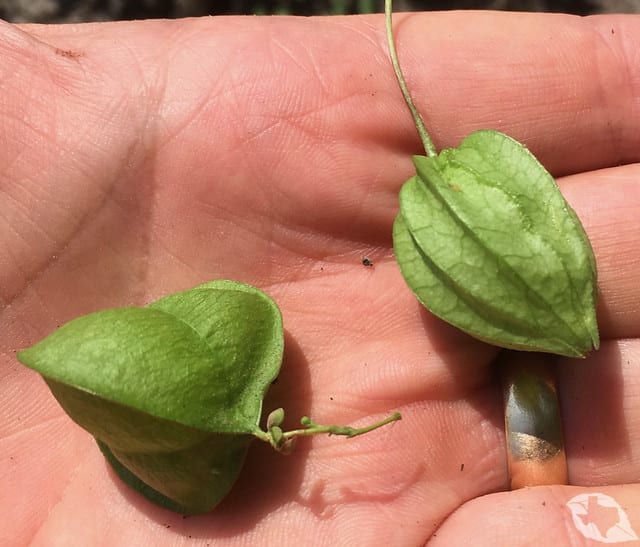
Distribution
North American distribution, attributed to U. S. Department of Agriculture.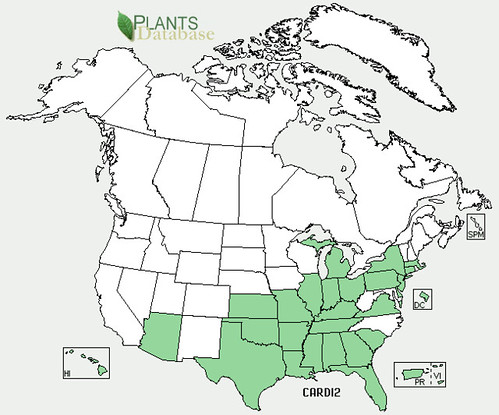
Across fields and disturbed areas Balloon Vines are taking hold. Keep an eye out in sunny fields, especially along ditches and other areas where water may collect. Balloon vines are easily spotted by their small, puffy, pointed seed pods. These pods are mostly air with the fruit located in the center. If the weather stays warm these vines can produce these balloon-like seed pods all year long so you may see white flowers, young, green pods, and dried, brown pods all on the same vine.
Balloon vines are an invasive species from Asia and can quickly cover and kill native plants. This makes a good argument for eating them! The edible parts are its young leaves and vine tips. These are cooked before eating, though to be honest I don't know why. That's how they do it in Asian countries, which is a good enough reason for me.
The puffy seed pods are not eaten, nor are the seeds contained in these “balloons”. However, both the leaves and seeds were used medically in India and Asia, along with the roots. Leaf poultices were used on skin wounds and infections as well as minor muscle and joint problems like strains, sprains and arthritis. Tea made from the leaves was traditionally used against stress and bronchitis. Tea from the root was applied topically to treat hemorrhoids. The seeds were crushed for a tea given to relieve fevers and joint pain.